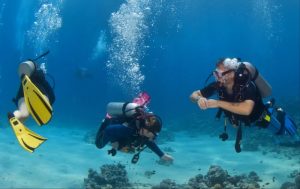
The allure of exploring underwater worlds continues to captivate adventurers, and 2025 promises exciting developments in the scuba diving tour industry. This exploration delves into the market trends, customer demographics, competitive landscape, and future innovations shaping this vibrant sector. We’ll examine how technology, sustainability, and evolving travel preferences are influencing the scuba diving experience, offering a comprehensive look at what awaits divers in the coming years.
From predicting top destinations and price points to analyzing the impact of social media and emerging technologies like virtual reality, this overview provides a detailed analysis of the scuba diving tour market in 2025. We’ll also consider the competitive dynamics, potential for new entrants, and the industry’s response to economic factors. The future of scuba diving tourism is ripe with innovation, and we’ll explore exciting new tour concepts and partnerships that aim to enhance safety, sustainability, and the overall diver experience.
Scuba Diving Tours 2025
The scuba diving tourism sector is poised for significant growth in 2025, driven by increasing global interest in underwater exploration and ecotourism. This growth will be shaped by evolving market trends, technological advancements, and a heightened focus on sustainability. This section will explore key aspects of the scuba diving tour market for 2025.
Top Five Scuba Diving Destinations for 2025
Predicting the precise ranking is difficult, but based on current trends and infrastructure, five destinations are likely to remain highly popular: The Maldives, renowned for its vibrant coral reefs and diverse marine life, will continue to attract divers seeking luxury and exceptional visibility. Indonesia, with its incredibly biodiverse Raja Ampat and Komodo National Park, offers unparalleled underwater experiences. The Red Sea in Egypt, a classic diving destination, will maintain its popularity due to its accessibility and abundance of wreck dives.
The Great Barrier Reef in Australia, despite facing environmental challenges, will continue to draw significant numbers, though responsible tourism practices will be increasingly emphasized. Finally, Cozumel, Mexico, offers a blend of accessibility, affordability, and excellent diving conditions, solidifying its position as a popular choice. These destinations offer a diverse range of experiences, from beginner-friendly sites to challenging deep dives, catering to various skill levels and interests.
Expected Price Range Variations for Scuba Diving Tours in 2025
Pricing will vary significantly based on location, duration of the trip, the level of luxury, and the type of diving offered. Budget-friendly options, particularly in locations with established diving infrastructure and accessible dive sites, might range from $1000 to $2500 per person for a week-long trip, inclusive of accommodation and some dives. Mid-range packages, offering better accommodation and more dives, could fall between $2500 and $5000 per person for a similar duration.
Luxury scuba diving tours, often including liveaboard experiences in remote locations with specialized dive guides, can exceed $10,000 per person for a week. These price variations reflect the differing levels of service, accessibility, and exclusivity offered by various operators. For example, a liveaboard trip to the Galapagos Islands will be considerably more expensive than a resort-based dive package in Thailand.
Emerging Technologies Impacting the Scuba Diving Tour Industry in 2025
Technological advancements are enhancing the scuba diving experience and operational efficiency. Improved dive computers offer more precise depth, time, and decompression data, enhancing diver safety. Underwater scooters and other propulsion devices are becoming more accessible, allowing divers to explore larger areas with less effort. Virtual reality (VR) is being used to create immersive pre-dive training simulations, improving diver preparedness and confidence.
Furthermore, advancements in underwater photography and videography are making it easier for divers to capture and share their experiences, further promoting the industry. The use of drones for aerial photography and videography is also improving marketing and showcasing the beauty of dive sites.
Sustainability Practices of Scuba Diving Tour Operators
The scuba diving industry is increasingly recognizing the importance of environmental stewardship. Sustainable operators prioritize responsible diving practices, including minimizing impact on coral reefs, avoiding touching or disturbing marine life, and adhering to strict waste management protocols. Some operators actively participate in reef conservation projects, such as coral planting initiatives or marine debris removal. Certifications like PADI’s Green Star program are becoming increasingly important, allowing divers to identify operators committed to sustainability.
The contrast lies in operators prioritizing profit over environmental protection, potentially leading to reef damage and unsustainable practices. Consumers are increasingly seeking out operators with demonstrably strong environmental commitments, making sustainability a key differentiator in the market.
Scuba Diving Tours 2025
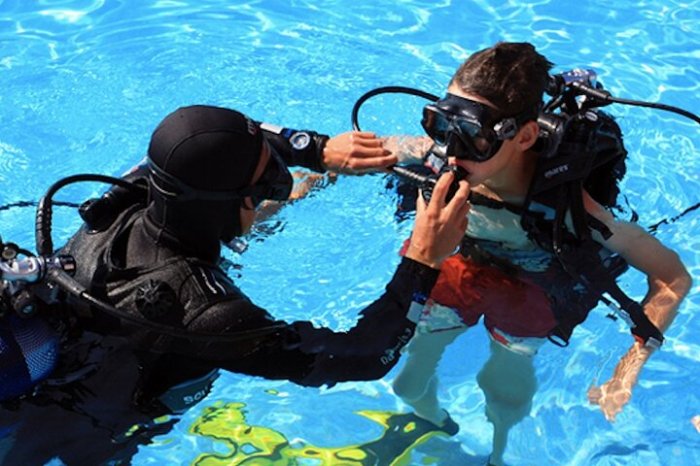
Scuba diving tourism is expected to experience significant growth in 2025, driven by increasing disposable incomes, a growing interest in adventure travel, and improved accessibility to dive sites worldwide. Understanding the customer demographics is crucial for tour operators to tailor their offerings and marketing strategies effectively.
Scuba Diving Tourist Profile in 2025
The typical scuba diving tourist in 2025 will likely be aged between 30 and 55, with a higher-than-average disposable income. This demographic is characterized by a strong interest in experiential travel, seeking unique and memorable adventures. Many will be well-educated professionals with a penchant for outdoor activities and a desire to connect with nature. Their interests extend beyond diving itself, often encompassing photography, marine biology, and sustainable tourism practices.
Income levels will vary significantly, ranging from comfortable middle-class to affluent individuals capable of booking luxury dive packages.
Motivations of Scuba Diving Tourists in 2025
The primary motivation for scuba diving tourism in 2025 will be the pursuit of unique experiences and personal enrichment. Many divers are driven by a desire to explore underwater ecosystems, encounter diverse marine life, and witness the beauty of the ocean firsthand. The opportunity to learn new skills, improve physical fitness, and overcome personal challenges are also significant motivators.
Furthermore, a growing emphasis on sustainability and responsible travel influences the choices of many divers, leading them to seek out eco-friendly tour operators and dive sites committed to conservation. This desire for authenticity and connection with nature is a key driver.
Customer Segmentation in Scuba Diving Tours
Several distinct customer segments can be identified within the scuba diving tourism market. Beginners represent a significant portion, seeking introductory courses and guided dives in calm, shallow waters. These individuals are often drawn to the novelty of the experience and the chance to learn a new skill. Intermediate divers, possessing some experience and certification, are interested in exploring more challenging dive sites and improving their skills through specialized courses.
Experienced divers, often with advanced certifications, seek out exotic locations and demanding dives, pushing their limits and seeking unique encounters with marine life. Finally, a growing segment comprises photographers and videographers who prioritize exceptional underwater visibility and diverse marine life for their photographic pursuits.
Influence of Social Media on Scuba Diving Tour Bookings
Social media platforms play a pivotal role in influencing scuba diving tour bookings. Stunning visuals and immersive video content shared by divers on platforms like Instagram and YouTube inspire potential customers and showcase the beauty and excitement of underwater exploration. User-generated content, reviews, and testimonials significantly impact booking decisions. Tour operators effectively leverage social media marketing to reach target audiences, highlight unique selling propositions, and build brand awareness.
Influencer marketing, featuring experienced divers and underwater photographers, further amplifies the reach and impact of promotional campaigns. The visual nature of social media makes it particularly effective for promoting scuba diving experiences.
Scuba Diving Tours 2025
The scuba diving tourism market in 2025 is expected to be a dynamic and competitive landscape, shaped by established players, innovative newcomers, and evolving economic conditions. Understanding this competitive environment is crucial for both existing operators and those considering entering the market.
Major Players in the Scuba Diving Tour Market
Several large tour operators currently dominate the scuba diving tourism market, offering a wide range of packages and destinations. These include established international travel companies with dedicated dive departments, alongside smaller, specialized operators focusing on niche markets or specific geographic locations. Examples of major players could include companies like PADI Dive Centers (with their global network), Liveaboard operators specializing in remote reef locations, and regional tour operators catering to specific geographic areas (such as the Caribbean or Southeast Asia).
The precise ranking of these players can fluctuate based on annual revenue and market share data, which is often proprietary information.
Marketing Strategies of Scuba Diving Tour Operators
Marketing strategies vary significantly across operators. Larger companies often leverage extensive online advertising, partnerships with travel agents, and brand recognition built over years of operation. Smaller, niche operators may rely more heavily on word-of-mouth referrals, social media marketing targeting specific demographics (e.g., experienced divers, photographers), and collaborations with dive influencers. Many operators utilize high-quality photography and videography showcasing stunning underwater scenery and diverse marine life to attract potential customers.
The effectiveness of a given strategy depends on the target market, the operator’s budget, and the overall marketing trends of the travel industry.
Potential for New Entrants into the Scuba Diving Tour Market
Despite the presence of established players, opportunities exist for new entrants. This is particularly true for operators specializing in sustainable tourism, eco-friendly practices, or unique and underserved dive locations. New technologies, such as improved underwater photography equipment and virtual reality experiences, also offer opportunities for innovative marketing and tour packages. However, new entrants face challenges in establishing brand recognition, securing necessary licenses and permits, and competing with the established players’ pricing and marketing power.
Success often hinges on a strong business plan, a unique selling proposition, and a dedicated marketing strategy.
Impact of Economic Factors on the Scuba Diving Tour Industry
The scuba diving tour industry is sensitive to economic fluctuations. Factors such as fuel prices (significantly impacting liveaboard operations), global economic recessions (affecting consumer spending on leisure travel), and exchange rates (influencing international tourism) can all impact demand. For example, a global recession might lead to a decrease in bookings, while a rise in fuel prices could necessitate increased tour prices, potentially affecting affordability and demand.
Conversely, periods of economic growth and increased disposable income can stimulate increased travel and boost the scuba diving tour market. Operators must be adept at adapting their pricing strategies and offerings to navigate these economic shifts effectively.
Scuba Diving Tours 2025
Scuba diving, a thrilling exploration of underwater worlds, is poised for significant advancements in 2025. Technological innovations, coupled with a growing focus on sustainability and safety, are shaping a new era of immersive and responsible diving experiences. This section explores the future of scuba diving tours, highlighting key innovations and partnerships that will redefine the industry.
A Novel Scuba Diving Experience: The Immersive Reefscape Tour
This innovative tour utilizes advanced virtual reality (VR) technology integrated seamlessly with traditional scuba diving. Divers will wear specialized VR headsets displaying real-time, high-resolution 3D imagery of the reef environment. This augmented reality overlays crucial information such as species identification, depth, and compass direction onto the diver’s view, enhancing their understanding and appreciation of the marine ecosystem. Furthermore, the VR system will incorporate interactive elements, allowing divers to virtually “interact” with marine life, exploring the reef from multiple perspectives without disturbing the actual environment.
Imagine exploring a coral reef from the perspective of a tiny fish, or experiencing the intricate dance of a reef octopus without causing any stress to the animal. This blend of physical exploration and virtual enhancement promises a uniquely enriching and educational diving experience.
Technological Enhancements for Enhanced Scuba Diving
Technology plays a crucial role in enhancing the scuba diving experience. For instance, improved dive computers with advanced algorithms offer more precise depth, air consumption, and decompression calculations, improving safety significantly. Underwater drones equipped with high-definition cameras provide breathtaking footage of the dive, allowing divers to relive their experiences and share them with others. Moreover, the integration of sonar technology into dive equipment can provide early warning systems for potential hazards like strong currents or approaching marine life, contributing to improved safety protocols.
Smaller, lighter, and more efficient dive gear, utilizing advanced materials, promises greater comfort and maneuverability for divers of all skill levels. These technological improvements collectively contribute to a safer, more enjoyable, and more accessible diving experience.
Safety and Sustainability Innovations in Scuba Diving
Improving safety and sustainability is paramount. Implementing stricter environmental guidelines and educating divers about responsible practices is essential. This includes promoting reef-friendly practices such as avoiding touching coral, maintaining a safe distance from marine life, and properly disposing of waste. The use of biodegradable dive gear and equipment is also crucial in minimizing environmental impact. Furthermore, improved dive boat designs that minimize fuel consumption and waste discharge are vital steps toward sustainable operations.
Implementing real-time monitoring systems that track diver locations and conditions, coupled with advanced emergency response protocols, contributes to significantly enhanced safety measures. The establishment of marine protected areas and partnerships with conservation organizations are crucial for preserving marine ecosystems for future generations.
Partnerships between Scuba Diving Operators and Other Tourism Sectors
Strategic partnerships can expand the appeal and accessibility of scuba diving tours. Collaborations with eco-tourism companies can create comprehensive packages that incorporate sustainable practices and responsible wildlife viewing. Partnerships with local communities can offer cultural experiences, benefiting both the diving industry and local economies. Integration with luxury hospitality sectors can elevate the overall experience, creating high-end diving retreats.
Collaborations with educational institutions can develop educational diving programs, attracting a wider audience and fostering environmental awareness. These partnerships create mutually beneficial relationships, expanding the reach and impact of the scuba diving industry.
Comparative Analysis
Scuba diving, while a thrilling adventure, occupies a specific niche within the broader travel market. Comparing it to other adventure travel options reveals both its unique strengths and areas where it intersects with other popular activities. This analysis will examine scuba diving’s position relative to several other travel sectors, highlighting key similarities and differences.
Scuba Diving vs. Religious Pilgrimages: Motivations and Market Size
Scuba diving and religious pilgrimages cater to vastly different customer motivations. Pilgrimages are driven by spiritual and faith-based goals, fostering a sense of community and connection to a higher power. The market size is largely influenced by religious demographics and global religious events. Scuba diving, conversely, appeals to individuals seeking adventure, exploration, and connection with the underwater world.
Motivation centers around personal challenge, relaxation, and the thrill of discovery. The market size is influenced by factors such as disposable income, accessibility to dive sites, and the popularity of the activity itself. While both activities can involve group travel, the nature of the groups and their shared purpose differ significantly.
Scuba Diving vs. Wildlife Watching: Environmental Impact
Both scuba diving and wildlife watching tours share a common goal: observing wildlife in their natural habitat. However, their environmental impact differs. Wildlife watching, particularly from a distance, generally has a lower impact, though poorly managed tours can still disturb animals. Scuba diving, while potentially disruptive if not conducted responsibly, can also contribute to conservation efforts through reef monitoring and responsible tourism practices.
Both activities require careful management to minimize negative environmental effects, such as habitat destruction, pollution, and disturbance of animals. Sustainable practices, including limiting group sizes, proper waste disposal, and education of participants, are crucial for both.
Scuba Diving vs. Winter Sports: Seasonality and Target Audience
Scuba diving and winter sports demonstrate stark contrasts in seasonality and target audience. Winter sports, such as skiing and snowboarding, are inherently seasonal, limited to winter months in suitable locations. The target audience often includes younger, physically active individuals. Scuba diving, while potentially impacted by weather, can be enjoyed year-round in many tropical and subtropical locations. The target audience is broader, encompassing individuals of various ages and fitness levels, though a certain level of physical fitness is required.
Scuba Diving vs. Island Hopping: Logistical Challenges
Both scuba diving and island hopping tours present logistical challenges. Island hopping requires planning transportation between islands, accommodation arrangements, and managing itineraries across multiple locations. Scuba diving tours involve coordinating boat trips, equipment rentals, safety procedures, and ensuring dive site accessibility. While both involve travel to multiple locations, the specific logistical hurdles are distinct. Island hopping is more focused on transportation and accommodation, whereas scuba diving emphasizes safety, equipment management, and dive site access.
Scuba Diving and Voluntourism
Combining scuba diving with voluntourism offers a unique opportunity to contribute to marine conservation efforts. Participants can engage in activities such as coral reef restoration, marine debris removal, or assisting with marine research. This approach enhances the travel experience by providing a sense of purpose and contributing to a positive environmental impact. Examples include participating in reef clean-ups or assisting with coral planting initiatives.
Scuba Diving and Photography Tours
The underwater world offers stunning photographic opportunities. Integrating scuba diving with photography tours provides a specialized experience for enthusiasts. This could involve workshops on underwater photography techniques, providing specialized equipment, and selecting dive sites known for their photogenic marine life. The combination appeals to a niche market of photographers and scuba divers interested in capturing the beauty of the underwater world.
Scuba Diving and Festival Travel Packages
Incorporating scuba diving into festival travel packages could attract a broader audience. This could involve offering diving excursions alongside participation in cultural festivals, music events, or other celebrations. Such packages would provide a diverse range of experiences, appealing to those interested in both cultural immersion and underwater exploration. Examples include combining a diving trip with a local music festival or a cultural celebration.
Scuba Diving vs. Desert Expeditions: Environmental Considerations
Scuba diving and desert expeditions differ significantly in their environmental considerations. Desert expeditions carry risks of disturbing fragile desert ecosystems, depleting water resources, and contributing to land degradation. Responsible desert tourism requires careful planning, minimizing impact on the environment, and adhering to strict guidelines. Scuba diving, while potentially damaging to coral reefs and marine life if not managed sustainably, is generally less impactful on the overall landscape than desert expeditions.
Sustainable practices are crucial for both.
Scuba Diving within Underwater Adventures
Scuba diving is a core component of the broader category of underwater adventures. It sits alongside other activities such as snorkeling, freediving, and submarine tours, each offering a different level of immersion and skill requirement. Scuba diving provides a unique perspective and allows for deeper exploration than snorkeling or freediving.
Scuba Diving and Art/Architecture Tours
In locations with rich underwater archaeological sites or unique coastal architecture, combining scuba diving with art and architecture tours can create a highly specialized and engaging travel experience. For example, exploring submerged ruins in the Mediterranean, followed by a tour of historical coastal towns, would provide a rich cultural and historical experience.
| Activity | Cost | Duration | Physical Demands | Environmental Impact |
|---|---|---|---|---|
| Scuba Diving | Medium to High (depending on location and duration) | Variable (from a few hours to multiple days) | Moderate to High (depending on dive experience and conditions) | Low to Moderate (depending on responsible practices) |
| Wildlife Watching | Low to Medium | Variable (from a few hours to multiple days) | Low | Low to Moderate (depending on responsible practices) |
| Island Hopping | Medium to High (depending on destinations and transportation) | Variable (from a few days to multiple weeks) | Low to Moderate | Low to Moderate (depending on responsible practices) |
| Religious Pilgrimage | Low to High (depending on destination and duration) | Variable (from a few days to multiple weeks) | Low to Moderate | Low to Moderate (depending on location and practices) |
Closing Notes
Scuba diving tours in 2025 are poised for significant growth, driven by technological advancements, a rising interest in sustainable travel, and the enduring appeal of underwater exploration. Understanding the market trends, customer motivations, and competitive landscape is crucial for both operators and prospective divers. By embracing innovation and prioritizing sustainability, the industry can ensure a thriving and responsible future for this exciting form of adventure travel.
The future of underwater exploration is bright, offering unique and unforgettable experiences for divers of all levels.
Query Resolution
What are the best certifications for scuba diving in 2025?
PADI, SSI, and NAUI remain the most widely recognized and respected certifications globally. Choosing a certification depends on individual preferences and learning styles.
What is the average cost of scuba diving equipment?
Costs vary widely depending on quality and brand. Expect to invest several hundred to several thousand dollars for a complete set of equipment.
Are there any age restrictions for scuba diving tours?
Age restrictions vary by tour operator and dive site, but generally, certified divers must be at least 15-18 years old. Younger divers may participate with parental consent and in supervised programs.
How can I find reputable scuba diving tour operators?
Check online reviews, look for certifications (e.g., PADI Dive Centers), and verify safety records before booking. Word-of-mouth recommendations are also valuable.