Embark on a journey of faith and reflection with our comprehensive guide to the Hajj pilgrimage in 2025. This pivotal event in the Islamic calendar draws millions of Muslims from across the globe, uniting them in a shared spiritual experience. We’ll explore the logistical intricacies, the profound religious significance, and the multifaceted impact of this momentous pilgrimage, offering insights into preparation, rituals, and the unique challenges and rewards it presents.
From navigating visa requirements and travel arrangements to understanding the spiritual heart of the Hajj rituals, we provide a detailed overview. We also delve into the economic and social impact of the Hajj on both Saudi Arabia and the wider world, examining its role in fostering global unity and intercultural dialogue. This guide aims to equip prospective pilgrims with the necessary knowledge and understanding to make their journey both spiritually enriching and logistically smooth.
Hajj Pilgrimage 2025
The Hajj pilgrimage in 2025 presents a significant spiritual journey for millions of Muslims worldwide. Careful planning and preparation are crucial for a smooth and fulfilling experience. This section details the logistical aspects, preparation steps, and a sample itinerary to aid pilgrims in their journey.
Hajj Pilgrimage 2025: Visa Requirements and Travel Arrangements
Securing the necessary visa is the first crucial step. Pilgrims must apply through their respective authorized Hajj agencies well in advance of the pilgrimage. The application process typically involves providing biographical information, passport details, and health certificates. Travel arrangements, including flights and transportation within Saudi Arabia, are usually handled by these agencies, offering various package options to suit different budgets and preferences.
It’s essential to confirm visa processing times and flight schedules early to avoid last-minute complications. Many pilgrims opt for package deals that include flights, accommodation, and transportation within Saudi Arabia, simplifying the logistics significantly.
Hajj Pilgrimage 2025: Accommodation Options
Accommodation during the Hajj varies greatly, ranging from budget-friendly shared rooms in designated pilgrim camps to more luxurious hotels in Makkah and Medina. The choice depends on personal preference and budget. Most Hajj packages include accommodation as part of the overall cost, specifying the type and location of the accommodation. It is advisable to confirm the details of the accommodation well in advance to ensure it meets expectations.
Pre-booking accommodation is highly recommended, especially for those seeking specific amenities or locations.
Hajj Pilgrimage 2025: A Step-by-Step Preparation Guide
Thorough preparation is vital for a successful Hajj. This involves several key steps:
First, a comprehensive health check is essential. This includes consultations with a physician to assess overall fitness and obtain necessary vaccinations. Any pre-existing medical conditions should be disclosed and managed appropriately with the advice of a doctor. Appropriate medication should be packed, along with any necessary medical equipment.
Next, gathering essential items is crucial. This includes comfortable clothing suitable for the hot climate, prayer mats, toiletries, and personal medications. A list of essential items should be prepared and checked off systematically. Lightweight, breathable fabrics are recommended to cope with the heat. Remember to pack enough modest clothing suitable for all rituals.
Finally, pre-departure procedures are critical. This involves finalizing travel arrangements, confirming visa details, and making copies of important documents. Inform family and friends of travel plans and keep them updated throughout the pilgrimage. Consider informing your bank of your travel dates to avoid any issues with card usage abroad.
Hajj Pilgrimage 2025: Sample Itinerary
This is a sample itinerary and may vary depending on the chosen Hajj package. Actual times and locations may differ slightly.
| Date | Time | Activity | Location |
|---|---|---|---|
| Day 1 | Afternoon | Arrival in Jeddah, transfer to Makkah | Jeddah Airport/Makkah |
| Day 2-5 | Various | Umrah (optional), exploring Makkah, attending lectures | Makkah |
| Day 6 | Morning | Travel to Mina | Mina |
| Day 7 | Morning | Arafat Day (standing on Arafat) | Mount Arafat |
| Day 7 | Evening | Muzdalifah (collecting pebbles) | Muzdalifah |
| Day 8 | Morning | Jamaraat (stoning of the devil) | Jamaraat Bridge |
| Day 8-9 | Various | Qurbani (animal sacrifice), staying in Mina | Mina |
| Day 10 | Morning | Tawaf al-Ifada (circumambulation of the Kaaba) | Masjid al-Haram |
| Day 10 | Afternoon | Sa’i (running between Safa and Marwa) | Masjid al-Haram |
| Day 11-12 | Various | Return to Makkah, further prayers and reflection | Makkah |
| Day 13 | Morning | Departure from Jeddah | Jeddah Airport |
Hajj Pilgrimage 2025
The Hajj pilgrimage, a cornerstone of Islam, holds immense spiritual significance for Muslims worldwide. Undertaken annually, it represents a profound journey of faith, purification, and spiritual renewal, culminating in a powerful sense of unity and connection with the divine. This exploration delves into the religious significance of the Hajj rituals, comparing them to other global pilgrimages and tracing their historical evolution.
Spiritual Significance of Hajj Rituals
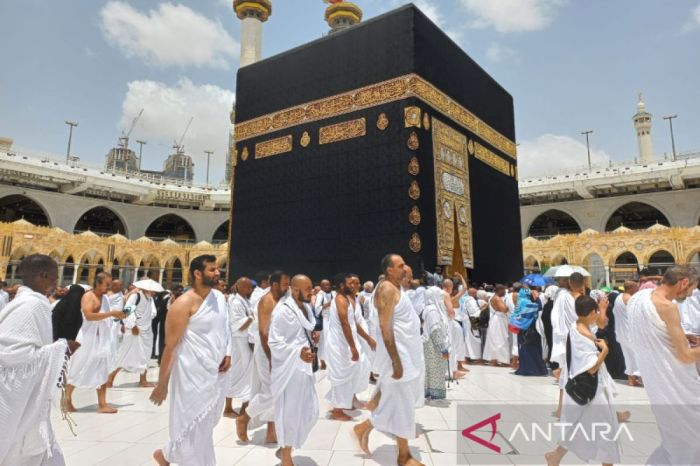
The Hajj rituals are deeply rooted in Islamic scripture and tradition, each step carrying profound spiritual meaning. The Ihram, the sacred state entered upon commencing the Hajj, symbolizes a shedding of worldly concerns and a complete surrender to God’s will. The circumambulation of the Kaaba, the cube-shaped structure at the heart of the Grand Mosque in Mecca, represents devotion to God and the oneness of creation.
Standing on Mount Arafat during the Day of Arafah, a day of intense supplication and reflection, is believed to be a time of profound spiritual closeness to God. The symbolic stoning of the three pillars (Jamaraat) represents the rejection of Satan and his temptations. The sacrifice of an animal (during Eid al-Adha) symbolizes Abraham’s willingness to obey God’s command and represents a commitment to selflessness and sacrifice.
Finally, the Tawaf al-Widaa, the farewell circumambulation of the Kaaba, marks the end of the pilgrimage and symbolizes a renewed commitment to faith and righteous living. These rituals, collectively, are meant to cleanse the soul, foster spiritual growth, and strengthen the bond between the pilgrim and God.
Comparison with Other Religious Pilgrimages
The Hajj shares similarities with other significant religious pilgrimages globally, such as the Christian pilgrimage to Jerusalem or the Hindu pilgrimage to Varanasi. All these journeys involve travel to sacred sites, participation in specific rituals, and a profound sense of spiritual renewal. However, the Hajj uniquely emphasizes the collective nature of the pilgrimage, with millions of Muslims from around the world participating simultaneously, fostering a powerful sense of global Muslim community (Ummah).
While other pilgrimages may focus on individual spiritual growth, the Hajj’s scale and shared experience create a unique sense of communal devotion and shared purpose. The specific rituals also differ significantly, reflecting the distinct theological and historical contexts of each faith.
Historical Context and Evolution of Hajj
The Hajj’s origins trace back to the time of Prophet Abraham (Ibrahim), as narrated in the Quran. The Kaaba, initially built by Abraham and his son Ishmael, served as a central point of worship for monotheists. Over time, the Hajj rituals evolved, incorporating elements from various historical periods and incorporating practices that emerged from the early Islamic community.
The establishment of the Islamic calendar further standardized the Hajj pilgrimage. Throughout history, the Hajj has faced challenges, including periods of political upheaval and disruptions. However, the pilgrimage has persevered, demonstrating the enduring power of faith and the unwavering commitment of Muslims to this central tenet of their religion. The growth of global transportation and communication has significantly impacted the Hajj, allowing millions of Muslims from across the globe to participate, making it a truly global event.
Modern advancements have also improved safety measures and logistical management of the pilgrimage, accommodating the ever-increasing number of pilgrims.
Hajj Pilgrimage 2025
The Hajj pilgrimage in 2025, like any large-scale event, presents a unique set of challenges and opportunities. Successfully navigating these aspects will be crucial for ensuring a safe, fulfilling, and spiritually enriching experience for millions of pilgrims. Careful planning and the implementation of innovative solutions are paramount to addressing potential difficulties and leveraging technological advancements to enhance the overall pilgrimage experience.
Potential Challenges Faced by Hajj Pilgrims in 2025
The sheer scale of the Hajj necessitates meticulous planning to mitigate potential problems. Several key areas require careful consideration, including health concerns, crowd management, and logistical hurdles. Failing to address these effectively could lead to significant difficulties for pilgrims.
- Health Concerns: The intense heat, physical exertion, and close proximity to others increase the risk of heatstroke, dehydration, infectious diseases, and cardiovascular events. Pre-existing health conditions can be exacerbated by the demanding nature of the pilgrimage. For example, individuals with respiratory issues may find the crowded conditions challenging.
- Crowd Management: The massive influx of pilgrims necessitates robust crowd control measures to prevent stampedes, overcrowding, and accidents, particularly during peak times at locations like Jamaraat Bridge. Effective crowd management is crucial for maintaining safety and order.
- Logistical Hurdles: Securing accommodation, transportation, and essential services for millions of pilgrims requires extensive logistical planning. Delays, inefficiencies, and a lack of readily available resources can cause significant inconvenience and distress.
Opportunities for Technological Advancements to Improve the Pilgrim Experience
Technology offers significant potential to improve the safety, efficiency, and overall experience of the Hajj. Utilizing digital platforms and mobile applications can streamline various aspects of the pilgrimage.
- Mobile Applications: Dedicated mobile apps can provide real-time information on accommodation availability, transportation schedules, prayer times, health advisories, and emergency contact details. GPS tracking could assist in locating lost pilgrims or providing guidance within the vast Hajj sites.
- Digital Platforms: Online platforms can facilitate visa applications, accommodation bookings, and the management of personal information. These platforms could also offer interactive maps, virtual tours of holy sites, and educational resources to prepare pilgrims before their arrival.
- Smart Wearables and IoT: Smartwatches and other wearable devices could monitor pilgrims’ vital signs, alerting authorities to potential health issues. The Internet of Things (IoT) could be used to optimize resource allocation and improve the efficiency of services such as transportation and waste management.
Potential Solutions for Addressing Challenges Faced by Hajj Pilgrims
Addressing the challenges requires a multi-pronged approach involving technological solutions, improved infrastructure, and enhanced coordination between relevant authorities.
- Improved Healthcare Infrastructure: Increasing the number of medical facilities, deploying mobile medical units, and providing readily accessible medical personnel are crucial for addressing health concerns. Pre-Hajj health screenings and vaccination campaigns can also help reduce health risks.
- Enhanced Crowd Management Strategies: Implementing advanced crowd simulation technologies, utilizing data analytics to predict crowd flow, and employing improved crowd control techniques can minimize risks associated with large gatherings. Clear signage and designated pathways are also essential.
- Streamlined Logistics and Resource Management: Investing in better infrastructure, including transportation networks and accommodation facilities, is vital. Efficient resource allocation and real-time monitoring of services can improve the overall logistical efficiency of the Hajj.
Hajj Pilgrimage 2025
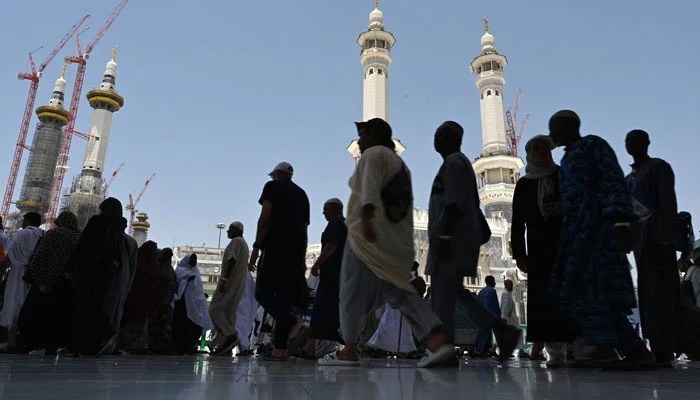
The Hajj pilgrimage, a cornerstone of Islam, holds immense significance beyond its religious aspects. Its annual occurrence generates substantial economic activity within Saudi Arabia and ripple effects across the global economy, while simultaneously fostering social cohesion and intercultural understanding among millions of participants from diverse backgrounds. Analyzing both the economic and social ramifications of this monumental event provides valuable insights into its multifaceted impact.
Economic Impact of the Hajj Pilgrimage
The Hajj pilgrimage contributes significantly to Saudi Arabia’s economy. Revenue streams include visa fees, accommodation bookings, transportation services, and spending on goods and services by pilgrims. These expenditures stimulate various sectors, from hospitality and retail to construction and transportation. Furthermore, the Hajj’s economic influence extends globally, as pilgrims often purchase air tickets from international airlines, utilize the services of global travel agencies, and bring back goods and experiences to their home countries, stimulating local economies on a smaller scale.
The economic impact can be quantified by considering the direct spending by pilgrims, the indirect economic activity generated, and the associated job creation within the Kingdom. For instance, a significant portion of Saudi Arabia’s annual GDP is directly or indirectly attributed to the Hajj. Estimates, while varying depending on the year and methodology, consistently demonstrate the Hajj’s substantial contribution.
For example, reports from reputable economic institutions have projected that Hajj-related activities contribute billions of dollars to the Saudi Arabian economy annually.
Social Impact of the Hajj Pilgrimage on Pilgrims and their Communities
The Hajj pilgrimage is a transformative experience for millions of Muslims worldwide. The shared experience of performing the rituals, the communal prayers, and the sense of brotherhood and sisterhood fosters a profound sense of spiritual renewal and unity. Pilgrims return to their communities with a renewed sense of faith and purpose, often impacting their personal lives and social interactions.
This can manifest in increased charitable giving, greater community involvement, and a stronger commitment to religious and ethical values. Moreover, the Hajj facilitates the creation of strong social bonds among pilgrims from diverse cultural and national backgrounds, leading to lasting friendships and networks that transcend geographical boundaries. The shared hardship and challenges of the pilgrimage often forge deep connections between individuals, leading to mutual understanding and respect.
Hajj as a Catalyst for Global Unity and Intercultural Dialogue
The Hajj pilgrimage brings together millions of Muslims from all corners of the globe, representing a wide spectrum of cultures, ethnicities, and languages. This unparalleled gathering fosters intercultural dialogue and understanding by providing a platform for interaction and exchange. Pilgrims share stories, experiences, and perspectives, fostering tolerance and mutual respect. The shared experience of performing the same rituals, regardless of cultural background, creates a powerful sense of unity and common identity.
The Hajj, therefore, serves as a potent symbol of global unity and a testament to the unifying power of faith. The shared experience promotes tolerance, empathy, and a better understanding of different cultural norms and practices. This intercultural exchange contributes to a more harmonious and interconnected global society. Examples of this intercultural exchange include the spontaneous sharing of food, stories, and cultural practices amongst pilgrims from different countries.
Comparative Analysis of Travel Types
The Hajj pilgrimage, a deeply spiritual journey, offers a unique experience vastly different from other forms of travel. Comparing it to various travel types reveals the diverse motivations, preparations, and impacts involved in each. This analysis highlights the contrasting aspects of these experiences, emphasizing the singular nature of the Hajj.
Hajj Pilgrimage vs. Wildlife Watching Trips
Wildlife watching trips focus on observing animals in their natural habitats, prioritizing conservation and ecological awareness. Preparation involves researching destinations, booking tours, and packing appropriate clothing and equipment for varied terrains and weather conditions. In contrast, the Hajj pilgrimage centers on spiritual devotion and ritualistic practices within a specific geographical and temporal context. Preparation requires extensive religious knowledge, adherence to specific dress codes, and meticulous planning for the large-scale event.
The experiences differ fundamentally: one focuses on the natural world, the other on the spiritual.
Hajj Pilgrimage vs. Winter Sports Trips
Winter sports trips demand physical fitness and specialized equipment for activities like skiing or snowboarding. Logistical planning involves securing lift tickets, accommodation near slopes, and potentially arranging lessons. The Hajj pilgrimage, while involving significant walking and physical exertion under often challenging climatic conditions, focuses on spiritual practices rather than physical feats. Logistical planning centers on securing visas, accommodation in Mecca and Medina, and navigating the large crowds during the pilgrimage.
The physical demands are different in nature and intensity; winter sports require specific athletic abilities, while the Hajj requires stamina and endurance under potentially extreme heat.
Hajj Pilgrimage vs. Island Hopping
Island hopping involves exploring diverse islands, often focusing on relaxation, beaches, and unique local cultures. Preparation may include booking ferries or flights between islands and researching local customs and attractions. The Hajj pilgrimage is a concentrated experience in specific locations, focusing on religious rituals and shared community experiences. The environment is vastly different: tropical islands versus the arid landscape of Mecca and Medina.
Cultural immersion occurs, but in the context of a shared religious experience rather than diverse island cultures.
Hajj Pilgrimage vs. Voluntourism
Voluntourism combines travel with volunteering, aiming to contribute to local communities and support sustainable development. Preparation involves researching organizations, securing placements, and potentially fundraising. The Hajj pilgrimage is a deeply personal spiritual journey, though it involves a large community. While acts of charity are encouraged during the Hajj, the primary motivation is personal spiritual growth, not direct community service.
The impact differs; voluntourism aims for direct positive change in a community, while the Hajj’s impact is primarily on the individual pilgrim’s spiritual journey.
Hajj Pilgrimage vs. Photography Tours
Photography tours focus on capturing images of specific locations, landscapes, or cultural events. Preparation involves researching locations, acquiring necessary equipment, and understanding photographic techniques. The Hajj pilgrimage presents unique photographic opportunities, but capturing images requires sensitivity and respect for the sacred nature of the event and the privacy of participants. The challenge lies in balancing the desire for documentation with the need for respectful observation.
Hajj Pilgrimage vs. Festival Travel
Festival travel involves attending cultural or religious festivals, immersing oneself in local traditions and celebrations. Preparation involves researching the festival, securing tickets, and planning accommodation. The Hajj pilgrimage shares similarities in communal experience and cultural immersion, but its focus is uniquely spiritual. Both involve large gatherings and shared rituals, but the Hajj’s rituals are deeply religious and specific to Islam.
Hajj Pilgrimage vs. Desert Expeditions
Desert expeditions focus on exploring arid environments, often involving physical challenges like navigating dunes and enduring harsh weather conditions. Preparation requires specialized equipment, including navigation tools and protective clothing. The Hajj pilgrimage takes place in a desert environment, but the focus is not on exploration or physical challenges. While the climate can be harsh, the primary concern is the performance of religious rituals.
The physical and environmental challenges differ significantly in their nature and purpose.
Hajj Pilgrimage vs. Underwater Adventures
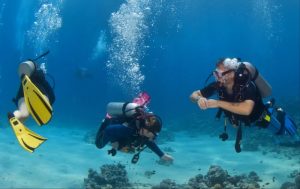
Underwater adventures involve exploring marine environments, often requiring scuba diving or snorkeling skills. Preparation involves obtaining certifications, purchasing equipment, and researching suitable dive sites. The Hajj pilgrimage is entirely land-based and has no connection to underwater environments. The preparations, environments, and experiences are completely disparate.
Hajj Pilgrimage vs. Art and Architecture Tours
Art and architecture tours focus on exploring historical sites, museums, and artistic creations. Preparation involves researching locations, booking tours, and potentially arranging access to specific sites. The Hajj pilgrimage involves visiting significant religious sites in Mecca and Medina, with a focus on their historical and religious significance. While there is an element of cultural exploration, the focus is not on art and architecture in the same way as a dedicated tour.
The motivations and the depth of exploration differ significantly.
Final Review
The Hajj pilgrimage 2025 promises to be a transformative experience, blending spiritual devotion with a profound sense of global community. Through careful planning and a deep understanding of the rituals and logistics involved, pilgrims can embark on this journey with confidence and purpose. We hope this guide has illuminated the path, offering valuable insights and practical advice for those preparing to undertake this once-in-a-lifetime spiritual adventure.
May your journey be blessed with peace, understanding, and a deepened connection to your faith.
Frequently Asked Questions
What is the best time to book my Hajj package for 2025?
It’s advisable to book your Hajj package as early as possible in 2024 to secure your preferred travel dates and accommodation options.
What vaccinations are required for Hajj?
Consult your doctor well in advance to determine necessary vaccinations based on your health history and travel itinerary. Meningitis vaccination is often recommended.
Are there age restrictions for performing Hajj?
While there isn’t a strict age limit, pilgrims should be physically and mentally capable of enduring the rigors of the pilgrimage. Consider individual health conditions when assessing suitability.
What should I pack for Hajj?
Pack light, comfortable, and modest clothing suitable for hot weather. Essential items include comfortable walking shoes, sun protection, prayer mats, and personal medications.