Escape to paradise responsibly! Eco-friendly island hopping offers a unique blend of adventure and environmental consciousness. Imagine exploring pristine beaches, vibrant coral reefs, and lush landscapes while minimizing your impact on these fragile ecosystems. This guide delves into the practices and considerations necessary for a truly sustainable island-hopping adventure, ensuring you leave only footprints and take only memories.
From choosing eco-conscious transportation and accommodation to participating in locally-led activities and supporting conservation efforts, this exploration highlights how mindful travel can contribute to the preservation of these breathtaking destinations for generations to come. We’ll examine various aspects, from minimizing waste and responsible wildlife interactions to understanding the carbon footprint of different travel methods and supporting local communities.
Defining Eco-Friendly Island Hopping
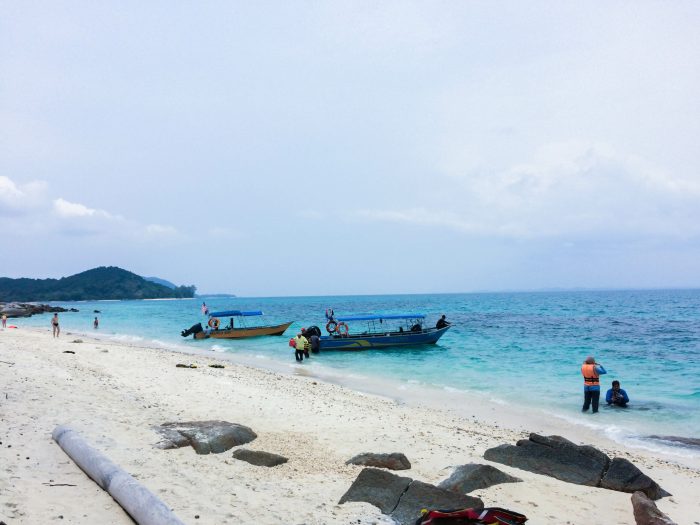
Eco-friendly island hopping prioritizes minimizing the negative environmental impact of tourism while maximizing the positive experiences for both visitors and local communities. It moves beyond simply visiting islands and instead focuses on responsible travel that respects the delicate ecosystems and cultural heritage of these unique destinations. This approach ensures the long-term preservation of these beautiful places for future generations.Island hopping, when done responsibly, can contribute positively to the local economy and environment.
However, uncontrolled tourism can lead to pollution, habitat destruction, and resource depletion. Eco-friendly practices aim to mitigate these risks, promoting sustainable tourism that benefits both people and the planet.
Sustainable Practices in Island Tourism
Sustainable practices in island tourism are multifaceted and require a collaborative effort from tourists, tour operators, and local communities. These practices aim to reduce the environmental footprint of travel and promote the well-being of the islands and their inhabitants.
- Reducing Carbon Emissions: Choosing less polluting modes of transportation, such as ferries powered by renewable energy or sailing boats, significantly reduces the carbon footprint. Prioritizing local transport options over air travel between islands also minimizes emissions.
- Waste Management: Implementing effective waste management systems, including recycling and composting programs, is crucial. Encouraging tourists to minimize waste generation and properly dispose of their rubbish is also vital.
- Conserving Water and Energy: Hotels and resorts should adopt water-saving technologies and promote responsible energy consumption among guests. This includes using energy-efficient appliances and encouraging the use of natural light.
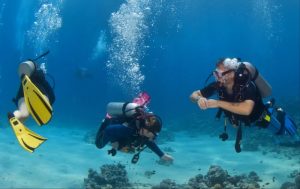
- Protecting Coral Reefs and Marine Life: Educating tourists about the importance of coral reefs and marine life and promoting responsible snorkeling and diving practices, such as avoiding touching coral or disturbing marine animals, is crucial for their preservation.
- Supporting Local Communities and Businesses: Choosing locally owned accommodations, restaurants, and tour operators directly benefits the local economy and helps preserve traditional practices and cultural heritage.
Minimizing the Environmental Impact of Island Hopping
Minimizing the environmental impact of island hopping requires a conscious effort from all stakeholders. This includes implementing responsible practices throughout the entire travel process, from planning to post-trip actions.
- Pre-Trip Planning: Researching eco-friendly tour operators and accommodations is essential. Choosing operators committed to sustainability and responsible practices ensures a lower environmental impact.
- During the Trip: Respecting local customs and regulations, avoiding single-use plastics, and minimizing water and energy consumption are crucial. Participating in activities that promote conservation, such as coral reef cleanup initiatives, further reduces the environmental footprint.
- Post-Trip Actions: Offsetting carbon emissions from travel and supporting organizations dedicated to island conservation are responsible post-trip actions. Sharing experiences and promoting responsible travel practices among friends and family can inspire others to travel more sustainably.
Checklist for Environmentally Responsible Island Hopping
This checklist helps travelers ensure their island hopping adventure minimizes its environmental impact.
- Choose eco-certified accommodations and tour operators.
- Pack reusable water bottles, bags, and utensils to minimize plastic waste.
- Respect wildlife and natural habitats; avoid disturbing animals or damaging ecosystems.
- Support local businesses and communities by purchasing locally sourced goods and services.
- Use public transportation or walk whenever possible.
- Dispose of waste responsibly and recycle whenever feasible.
- Conserve water and energy during your stay.
- Learn about the local environment and culture before your trip.
- Offset your carbon footprint from travel.
- Share your experiences and encourage others to travel responsibly.
Transportation and Accommodation
Choosing sustainable transportation and accommodation is crucial for minimizing the environmental impact of your island-hopping adventure. By opting for eco-friendly options, you contribute to the preservation of these fragile ecosystems and support local communities committed to sustainable practices. This section will explore the various choices available and their respective environmental footprints.
Eco-Friendly Transportation Options for Island Hopping
Several eco-conscious transportation methods significantly reduce the carbon footprint associated with island hopping compared to traditional air travel or gas-powered ferries. Sailing vessels, for instance, harness wind power, offering a truly carbon-neutral mode of transport. Electric ferries are also gaining popularity, providing a quieter and cleaner alternative to their fossil fuel-powered counterparts. Consider the distance between islands and the availability of these options when planning your trip.
Smaller, more localized island chains are often better suited for sailing or smaller electric ferries.
Sustainable Accommodation Features
Sustainable accommodation prioritizes minimizing environmental impact while providing comfortable and enjoyable stays. Eco-lodges, often built with locally sourced materials and employing sustainable building techniques, exemplify this approach. These lodges frequently incorporate features like solar power, rainwater harvesting, and waste reduction programs. Locally owned guesthouses also represent a sustainable choice, supporting local economies and often featuring traditional building styles and practices that minimize their environmental footprint.
They may also offer opportunities to interact directly with local culture and learn about sustainable living practices in the community.
Carbon Footprint Comparison of Island Hopping Travel Methods
The carbon footprint of different travel methods varies significantly. Air travel, while fast, carries a considerably high carbon footprint due to the aviation industry’s reliance on fossil fuels. Sailing, on the other hand, has a negligible carbon footprint, provided it relies solely on wind power. Electric ferries offer a significant reduction in emissions compared to traditional ferries, though their overall impact depends on the source of electricity used to power them.
For example, a journey between two islands using a wind-powered sailboat would generate virtually no carbon emissions, whereas a similar journey by airplane would produce a substantially larger carbon footprint, depending on the distance and aircraft size. Electric ferries powered by renewable energy sources would fall somewhere in between.
Comparison of Eco-Friendly Accommodation Options
The table below compares various eco-friendly accommodation options, considering price range and sustainability certifications. Note that prices are approximate and can vary depending on location, season, and specific amenities. Sustainability certifications are not universally standardized, so the presence or absence of a specific certification should be viewed within this context.
| Accommodation Type | Price Range (USD per night) | Sustainability Certifications (Examples) | Notable Features |
|---|---|---|---|
| Eco-lodge | $100 – $500+ | Green Globe, LEED, EarthCheck | Solar power, rainwater harvesting, locally sourced materials |
| Locally-owned Guesthouse | $50 – $200 | May have local eco-initiatives, but not always formal certifications | Supports local economy, often uses traditional building methods |
| Sustainable Hotel/Resort | $150 – $400+ | Green Key, Global Sustainable Tourism Council | Energy efficiency measures, waste reduction programs, community involvement |
| Homestay | $30 – $100 | Often informal sustainability practices | Immersive cultural experience, reduced environmental impact through shared resources |
Activities and Experiences
Embarking on an eco-friendly island hopping adventure offers a diverse range of activities that minimize environmental impact while maximizing enjoyment. Sustainable tourism focuses on responsible exploration, allowing you to appreciate the natural beauty of the islands while preserving them for future generations. The key is to choose activities that respect the delicate ecosystems and local communities.Choosing sustainable activities ensures a positive impact on the environment and local communities.
By opting for low-impact adventures and supporting local businesses, you contribute to the preservation of these unique island ecosystems and the livelihoods of those who call them home.
Eco-Friendly Activities
A wealth of exciting and environmentally conscious activities awaits you during your island hopping journey. These options allow for immersive experiences while minimizing disturbance to the natural surroundings.
- Snorkeling and Diving: Explore vibrant coral reefs and diverse marine life without disturbing the delicate ecosystem. Remember to use reef-safe sunscreen and avoid touching coral or marine animals.
- Kayaking and Paddleboarding: Gently glide through calm waters, observing the coastline and wildlife from a respectful distance. Opt for rentals made from sustainable materials whenever possible.
- Hiking and Nature Walks: Discover hidden trails and breathtaking viewpoints while respecting designated paths and leaving no trace behind. Pack out everything you pack in, and avoid disturbing wildlife.
- Birdwatching: Observe the unique avian species inhabiting the islands from a distance, using binoculars to avoid disturbing their natural behaviors.
Benefits of Locally-Guided Tours
Selecting locally-guided tours offers numerous advantages beyond simply experiencing the islands. These tours provide invaluable insights into the local culture and environment, directly supporting the community.
- Economic Support: Locally-guided tours directly benefit local communities, providing income and employment opportunities.
- Cultural Understanding: Guides share their intimate knowledge of the islands’ history, traditions, and ecology, offering a richer and more meaningful experience.
- Environmental Stewardship: Local guides are often passionate about conservation and can provide valuable insights into protecting the environment.
- Authentic Experiences: Locally-guided tours offer more authentic and less commercialized experiences, allowing you to connect with the true spirit of the islands.
Sustainable Souvenirs
Purchasing sustainable souvenirs supports local artisans and minimizes the environmental impact of your trip. Consider these eco-friendly options:
- Handmade crafts from recycled materials: Look for items crafted from recycled materials, showcasing local creativity and reducing waste.
- Locally produced artwork and textiles: Support local artists by purchasing their unique creations, contributing to their livelihoods and preserving cultural heritage.
- Organic products: Consider purchasing organic honey, spices, or other locally grown products that support sustainable agriculture.
- Avoid items made from endangered species or unsustainable materials: Be mindful of the source of your souvenirs and choose items that do not contribute to the exploitation of natural resources or endanger wildlife.
Minimizing Waste During Island Hopping
Reducing waste is crucial for preserving the pristine beauty of the islands. Simple steps can significantly minimize your environmental footprint.
- Bring a reusable water bottle and coffee cup: Avoid single-use plastics by carrying your own reusable containers.
- Pack reusable bags: Reduce plastic bag consumption by bringing your own reusable shopping bags.
- Properly dispose of waste: Always dispose of your trash responsibly in designated bins or take it with you if bins are unavailable.
- Support businesses with sustainable practices: Choose establishments that prioritize waste reduction and recycling.
- Avoid single-use plastics as much as possible: This includes straws, cutlery, and packaging. Carry your own alternatives if needed.
Conservation and Community Engagement
Sustainable island hopping hinges on actively supporting local conservation efforts and engaging with the communities that call these islands home. Protecting the delicate ecosystems and rich cultures of island destinations requires a collaborative approach, where travelers play a vital role in ensuring their preservation for future generations. By understanding the interconnectedness of environmental health and community well-being, we can transform our travel experiences into opportunities for positive impact.Protecting the unique biodiversity and natural beauty of islands is crucial for the long-term economic viability of island communities, many of which rely heavily on tourism.
Unsustainable practices can lead to habitat destruction, depletion of natural resources, and ultimately, a decline in tourism itself. Supporting local conservation initiatives ensures that these precious environments are preserved, benefiting both the environment and the local economy.
Examples of Community-Based Tourism Initiatives
Community-based tourism (CBT) initiatives represent a powerful model for sustainable island hopping. These initiatives place local communities at the heart of tourism development, empowering them to manage and benefit from tourism while preserving their environment and culture. Successful CBT programs often involve local communities in planning, managing, and operating tourism activities, ensuring that economic benefits are directly channeled back into the community.
This contrasts with large-scale tourism operations where profits often leave the local area.For instance, in several villages in the Philippines, local communities manage and guide eco-tours through their mangrove forests, sharing their traditional knowledge of the ecosystem and its importance. These tours generate income for the community, incentivizing them to protect the mangroves and the diverse marine life they support.
Similarly, in Costa Rica, many ecotourism lodges are owned and operated by local families, providing employment opportunities and promoting sustainable practices. These lodges often incorporate local crafts and cuisine into their offerings, enriching the visitor experience and supporting local artisans. These examples demonstrate how CBT can create a virtuous cycle where environmental protection and economic prosperity go hand in hand.
Ways Travelers Can Contribute Positively
Travelers can actively contribute to the conservation and cultural preservation of islands by making conscious choices. Supporting locally owned businesses, participating in responsible tourism activities, and respecting local customs are all crucial steps in minimizing your environmental footprint and maximizing your positive impact.
- Choose eco-certified accommodations and tour operators committed to sustainable practices.
- Support local businesses and artisans by purchasing their products and services.
- Respect local customs and traditions, and learn about the island’s history and culture.
- Minimize your waste by using reusable water bottles, bags, and utensils.
- Avoid purchasing souvenirs made from endangered species or unsustainable materials.
By adopting these simple practices, travelers can significantly contribute to the well-being of island communities and their environments. These actions not only protect the islands’ natural beauty but also enrich the cultural exchange and create a more authentic travel experience.
Responsible Interaction with Marine and Wildlife
Respectful interaction with marine and wildlife is paramount for preserving the delicate balance of island ecosystems. Avoid disturbing animals, maintaining a safe distance, and refraining from feeding wildlife are crucial for their well-being and the preservation of their natural habitats.
Always remember to observe wildlife from a distance, using binoculars or a telephoto lens if necessary. Never approach, touch, or feed animals, as this can disrupt their natural behavior and put them at risk.
- Maintain a safe distance from wildlife, observing them from a respectful distance.
- Avoid touching or feeding animals, as this can disrupt their natural behavior and health.
- Do not disturb nesting sites or breeding grounds.
- Use reef-safe sunscreen to protect coral reefs and marine life.
- Dispose of waste properly to prevent pollution.
Responsible behavior ensures the continued health and prosperity of these ecosystems, allowing future generations to enjoy the wonders of island wildlife. By understanding and respecting the delicate balance of these environments, travelers can help ensure their long-term survival.
Comparing Eco-Friendly Island Hopping with Other Travel Styles
Eco-friendly island hopping, while sharing some similarities with other travel styles, distinguishes itself through its core focus on minimizing environmental impact and maximizing positive community engagement. This comparison highlights the unique aspects of responsible island exploration.
Eco-Friendly Island Hopping Compared to Religious Pilgrimages
Religious pilgrimages often involve travel to sites of spiritual significance, frequently focusing on historical or cultural aspects tied to faith. Eco-friendly island hopping, while potentially including visits to culturally significant sites, prioritizes environmental sustainability and responsible tourism practices. The motivations differ significantly: spiritual fulfillment versus environmental stewardship and cultural appreciation. For example, a pilgrimage to a sacred mountain might involve significant environmental impact from large numbers of visitors, unlike a well-managed eco-friendly island hopping tour that prioritizes minimizing its footprint.
Eco-Friendly Island Hopping Compared to Wildlife Watching Trips
Both eco-friendly island hopping and wildlife watching trips emphasize responsible interaction with nature. However, wildlife watching trips are usually more specialized, focusing on observing specific animals in their natural habitat. Eco-friendly island hopping incorporates wildlife viewing as one element among many, broadening the experience to include cultural immersion, relaxation, and exploration of the island’s diverse ecosystems. A wildlife watching trip to Costa Rica might concentrate on spotting specific bird species, whereas an eco-friendly island hopping tour in the same region could incorporate bird watching alongside snorkeling, cultural visits, and community engagement initiatives.
Eco-Friendly Island Hopping Compared to Winter Sports Trips
Winter sports trips typically focus on snow-based activities in mountainous regions. These trips often have a significant carbon footprint due to travel to remote locations and the energy consumption associated with snowmaking and lift operations. Eco-friendly island hopping, conversely, emphasizes low-impact activities and often takes place in warmer climates, minimizing the environmental impact associated with energy-intensive activities. The contrasting landscapes and activities highlight the distinct nature of these travel styles.
Eco-Friendly Island Hopping Compared to Voluntourism Experiences
Both eco-friendly island hopping and voluntourism involve contributing to a destination’s well-being. However, voluntourism often involves a more direct and hands-on engagement in projects, such as conservation efforts or community development initiatives. Eco-friendly island hopping incorporates elements of responsible tourism that support local communities, but the primary focus remains on the traveler’s experience, with volunteering often being an optional add-on.
A voluntourism trip might involve working on a coral reef restoration project, whereas an eco-friendly island hopping trip might support local businesses that contribute to reef protection.
Eco-Friendly Island Hopping Compared to Photography Tours
Photography tours prioritize capturing stunning images, often focusing on specific landscapes or wildlife. Eco-friendly island hopping can certainly incorporate photography, but it’s not the central focus. Responsible photography practices are encouraged within the broader context of sustainable tourism. A photography tour might focus solely on capturing images of endemic bird species, whereas an eco-friendly island hopping trip might include bird photography alongside other activities while adhering to guidelines that minimize disturbance to the wildlife.
Eco-Friendly Island Hopping Compared to Festival Travel
Festival travel focuses on attending cultural or musical events. While eco-friendly island hopping might coincide with local festivals, the core experience centers on responsible exploration of the island’s natural and cultural features. Festival travel often involves large crowds and potentially increased environmental impact, unlike eco-friendly island hopping which aims to minimize its footprint. A music festival might generate considerable waste and require significant energy consumption, contrasting with the sustainable practices of an eco-friendly island hopping tour.
Eco-Friendly Island Hopping Compared to Desert Expeditions
Desert expeditions typically involve exploring arid environments, often involving specialized equipment and potentially impacting fragile ecosystems. Eco-friendly island hopping takes place in a different environment with different challenges and opportunities for sustainability. The emphasis on minimizing environmental impact remains consistent, but the specific methods and considerations vary greatly between these two travel styles. A desert expedition might require careful management of water resources, whereas an eco-friendly island hopping trip might focus on reducing plastic waste and supporting sustainable fishing practices.
Eco-Friendly Island Hopping Compared to Underwater Adventures
Underwater adventures, like scuba diving or snorkeling, often overlap with eco-friendly island hopping. However, the focus in underwater adventures is primarily on the underwater experience. Eco-friendly island hopping incorporates these activities but integrates them into a broader sustainable tourism framework, encompassing land-based activities and community engagement. A dedicated underwater adventure might focus solely on exploring a coral reef, whereas an eco-friendly island hopping trip might combine reef exploration with visits to local villages and participation in conservation initiatives.
Eco-Friendly Island Hopping Compared to Art and Architecture Tours
Art and architecture tours concentrate on appreciating human-made creations. Eco-friendly island hopping can include visits to historically and culturally significant sites, but the experience is broader, incorporating natural environments and sustainable practices. An art and architecture tour might focus solely on exploring historical buildings in a city, whereas an eco-friendly island hopping trip might include visits to historical sites alongside snorkeling, hiking, and interactions with local communities, all while minimizing its environmental impact.
Illustrative Examples of Eco-Friendly Island Hopping Destinations
Choosing an eco-friendly island hopping experience means selecting destinations committed to sustainability and responsible tourism. This commitment often translates to vibrant local cultures, thriving ecosystems, and unforgettable adventures that minimize environmental impact. The following examples showcase destinations actively working towards preserving their natural beauty and cultural heritage.
The Azores, Portugal
The Azores archipelago, a volcanic paradise in the mid-Atlantic, offers a unique blend of dramatic landscapes and sustainable tourism practices. Imagine lush green hillsides cascading down to dramatic volcanic coastlines, where whales breach the surface and dolphins frolic in crystal-clear waters. The Azores are renowned for their commitment to conservation, with protected areas safeguarding diverse marine and terrestrial ecosystems.
Local communities actively participate in sustainable initiatives, promoting organic farming, responsible fishing practices, and eco-friendly accommodation options. Activities range from whale watching tours conducted by certified operators adhering to strict guidelines to hiking across volcanic landscapes, exploring hidden waterfalls, and immersing oneself in the rich Azorean culture through local cuisine and traditional crafts. Many hotels and guesthouses prioritize energy efficiency and minimize waste, supporting local businesses and reducing their carbon footprint.
The islands’ unique volcanic geology, coupled with the abundance of wildlife and the warm hospitality of the local population, create an unforgettable eco-friendly island hopping experience.
Palau, Micronesia
Palau, a nation in the western Pacific Ocean, is a true underwater wonderland. Picture yourself snorkeling or diving amongst vibrant coral reefs teeming with diverse marine life, exploring stunning underwater caves, or kayaking through serene lagoons. Palau is a pioneer in marine conservation, having established one of the world’s largest marine sanctuaries, protecting a significant portion of its waters from fishing and other destructive activities.
This commitment to conservation has resulted in thriving coral reefs and abundant marine life, attracting divers and snorkelers from around the globe. Local communities are deeply connected to their marine environment, and many eco-tourism businesses are owned and operated by Palauans, ensuring that economic benefits directly support local communities and conservation efforts. Activities such as guided snorkeling and diving trips, kayaking tours, and cultural visits to traditional villages provide opportunities to learn about Palauan culture and the importance of environmental stewardship.
Sustainable accommodation options, often featuring traditional architecture and locally sourced materials, further enhance the eco-friendly experience.
Raja Ampat, Indonesia
Raja Ampat, an Indonesian archipelago in West Papua, boasts an unparalleled level of marine biodiversity. Envision yourself surrounded by pristine coral reefs, teeming with an incredible array of fish species, sea turtles, and other marine life. This region is considered one of the most biodiverse marine areas on Earth, with a vast network of coral reefs, mangrove forests, and seagrass beds supporting a rich ecosystem.
Raja Ampat has implemented various sustainable tourism initiatives, including responsible diving and snorkeling practices, community-based tourism projects, and efforts to combat illegal fishing. These efforts aim to protect the fragile ecosystem and ensure the long-term viability of the region’s tourism industry. Eco-friendly resorts and homestays offer immersive experiences, allowing visitors to connect with local communities and learn about their traditions.
Activities range from diving and snorkeling in pristine reefs to exploring mangrove forests by kayak, engaging in cultural exchange programs, and supporting local businesses that prioritize sustainability. The commitment to conservation and community engagement makes Raja Ampat a truly exceptional example of eco-friendly island hopping.
Final Conclusion
Ultimately, eco-friendly island hopping isn’t just about reducing your environmental impact; it’s about enriching your travel experience. By embracing sustainable practices, you deepen your connection with the natural world and the local communities that call these islands home. The memories you create will be as vibrant and unforgettable as the destinations themselves, knowing you contributed to their preservation. Choose responsible travel, choose eco-friendly island hopping.
FAQ Summary
What are the best times of year to go eco-friendly island hopping?
The ideal time depends on the specific islands and their climate. Research the shoulder seasons (periods just before and after peak tourist times) for pleasant weather and fewer crowds.
How can I offset my carbon footprint from island hopping?
Consider carbon offsetting programs that invest in projects reducing greenhouse gas emissions. Many travel companies offer this option.
Are there any certifications or labels to look for when choosing eco-friendly accommodations?
Look for certifications like LEED, Green Globe, or similar eco-tourism labels that indicate sustainable practices.
What if I accidentally damage the environment while island hopping?
Report any accidental damage to local authorities or park rangers immediately. Be mindful of your actions and try to mitigate any negative impacts as best you can.