Venture into the heart of Death Valley National Park, a landscape of stark beauty and extreme contrasts. Death Valley desert tours offer a unique opportunity to explore this captivating environment, from soaring sand dunes and ancient salt flats to dramatic canyons and surprisingly diverse wildlife. Whether you’re a seasoned adventurer or a curious traveler, a guided tour or independent exploration, Death Valley promises an unforgettable experience.
This guide delves into the world of Death Valley desert tours, examining the market, unique selling points, customer experiences, and sustainable practices. We compare Death Valley tours with other niche travel experiences and provide practical tips for planning your own adventure. Discover why Death Valley remains a compelling destination for tourists worldwide.
Death Valley Desert Tours
Death Valley National Park, with its extreme temperatures, dramatic landscapes, and unique geological formations, attracts a significant number of tourists annually. This has led to a thriving market for guided tours catering to diverse interests and preferences. The market is characterized by a mix of established operators and smaller, independent businesses, each offering unique experiences.
Death Valley Desert Tours: Market Landscape
The Death Valley desert tour market encompasses a wide range of offerings, from short, half-day excursions focusing on specific points of interest like Zabriskie Point or Badwater Basin, to multi-day adventures exploring the park’s vast expanse. Major players often include established tour companies with a national or regional presence, offering pre-packaged itineraries and transportation. Smaller, independent operators, many locally based, provide more personalized experiences, often specializing in specific activities such as photography tours, stargazing tours, or hiking expeditions.
Tour types vary considerably, encompassing bus tours, jeep tours, hiking tours, and even airplane tours offering aerial perspectives of the park’s dramatic scenery.
Death Valley Desert Tours: Key Demographics
The primary demographic for Death Valley tours comprises adults aged 35-65, with a significant portion being couples and families. A considerable segment consists of active retirees seeking outdoor adventures and scenic experiences. Interest in photography and geology also draws a niche market of enthusiasts. International tourists, particularly from Europe and Asia, constitute a substantial portion of the visitor base, drawn by the park’s unique and dramatic landscapes, unlike anything found in their home countries.
Adventurous younger travelers (25-34) are also increasingly represented, often seeking more physically demanding tours.
Death Valley Desert Tours: Seasonal Variations in Demand
Demand for Death Valley tours fluctuates significantly throughout the year. The peak season falls during the cooler months, from October to April, when temperatures are more moderate and comfortable for outdoor activities. Summer months (May to September) witness a sharp decline in tourism due to extreme heat, with only a small number of hardy adventurers braving the intense conditions.
Holidays and special events, such as the annual Death Valley Dark Sky Festival, can create temporary surges in demand regardless of the season. This seasonality impacts pricing, tour availability, and the types of tours offered.
Death Valley Tour Operators Comparison
The following table compares three prominent Death Valley tour operators, highlighting their unique selling propositions:
| Tour Operator | Unique Selling Proposition | Tour Types Offered | Price Range |
|---|---|---|---|
| Death Valley National Park Tours (Example) | Comprehensive itineraries, experienced guides, multiple departure points | Bus tours, Jeep tours, Hiking tours | $50 – $200 per person |
| Desert Adventures (Example) | Focus on small group experiences, personalized attention, off-the-beaten-path locations | Jeep tours, Hiking tours, Photography tours | $100 – $300 per person |
| Stargazing Expeditions (Example) | Specialized stargazing tours, expert astronomers, use of high-powered telescopes | Night tours | $75 – $150 per person |
Death Valley Desert Tours
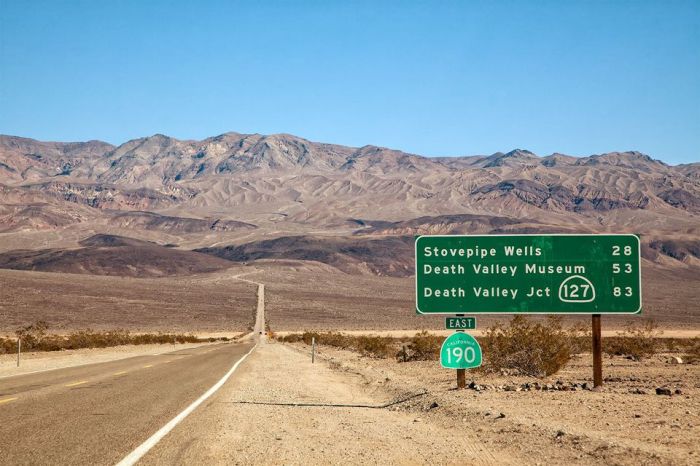
Death Valley National Park, a land of extremes, offers a unique and unforgettable travel experience. Its dramatic landscapes, ranging from towering sand dunes to stark salt flats and rugged mountains, coupled with its surprisingly rich history and diverse wildlife, create an unparalleled adventure for visitors. Death Valley Desert Tours provide access to this incredible environment, offering various ways to explore its breathtaking beauty and uncover its hidden wonders.
Unique Selling Points of Death Valley
Death Valley’s allure lies in its dramatic contrasts. The park boasts the lowest elevation in North America, Badwater Basin, and experiences some of the hottest temperatures on Earth. Yet, amidst this harsh environment, life thrives in unexpected ways, from the hardy desert plants to the elusive wildlife that call it home. The vastness of the landscape, the silence broken only by the wind, and the sheer geological diversity provide a powerful sense of place, unlike anywhere else.
Visitors are captivated by the stark beauty of the salt flats, the towering cliffs of Zabriskie Point, and the colorful canyons sculpted by millennia of erosion. The celestial views at night, far from city lights, offer an unparalleled stargazing experience.
Activities Offered During Death Valley Tours
Death Valley Desert Tours cater to a variety of interests and activity levels. Hiking trails range from easy strolls to challenging climbs, offering access to hidden oases, panoramic viewpoints, and ancient geological formations. Guided hikes often include insights into the park’s ecology, geology, and history. Photography enthusiasts will find endless opportunities to capture the dramatic landscapes, from the ethereal beauty of sunrise over the dunes to the stark contrasts of the salt flats under a midday sun.
Stargazing tours, often held under the exceptionally dark skies of the park, offer a chance to witness the Milky Way in all its glory. Other activities may include off-road driving (in suitable vehicles), exploring ghost towns, and learning about the park’s rich history through ranger programs or guided tours.
Comparison of Different Death Valley Tour Types
Death Valley tours are available in various formats to suit different preferences and time constraints. Guided tours provide expert knowledge and convenient transportation, relieving visitors of the need for navigation and planning. These tours range from half-day explorations focusing on specific areas to multi-day expeditions covering a broader range of the park’s highlights. Self-drive tours offer greater flexibility and allow visitors to explore at their own pace, but require careful planning and familiarity with desert driving conditions.
Day trips are ideal for those with limited time, while multi-day excursions allow for a more immersive experience and the opportunity to explore more remote areas. The choice depends on individual preferences for guided expertise versus independent exploration, and the available time commitment.
Death Valley Desert Tours Marketing Brochure: Key Selling Points
This brochure highlights the unforgettable experience awaiting visitors to Death Valley National Park. (Image: Zabriskie Point at sunrise. Description: A breathtaking panoramic view unfolds at Zabriskie Point, showcasing the multi-hued badlands bathed in the golden light of the rising sun. Layers of sedimentary rock, sculpted by millennia of erosion, create a dramatic landscape of deep shadows and vibrant colors. The vastness of the valley stretches out below, a testament to the power of nature.)(Image: Badwater Basin. Description: The stark beauty of Badwater Basin, the lowest point in North America, is captured in this image. The glistening expanse of salt crystals stretches to the horizon, under a clear desert sky. The contrast between the barren landscape and the distant mountains creates a powerful visual impact.)(Image: Starry Night Sky. Description: The breathtaking panorama of the night sky above Death Valley is displayed, showcasing a brilliant display of stars, the Milky Way arching across the heavens, unobscured by light pollution. The vastness of space and the tranquility of the desert combine to create an unforgettable celestial experience.)(Image: Mesquite Flat Sand Dunes. Description: The rolling, golden sand dunes of Mesquite Flat stretch out in this image, their textures and patterns highlighted by the play of light and shadow. The vastness of the dunes and the silence of the desert create a sense of peace and solitude. Footprints in the sand hint at the passage of time and the human connection to this ancient landscape.)Death Valley Desert Tours offers unparalleled access to this unique and awe-inspiring landscape. Choose your adventure – from a day trip exploring iconic viewpoints to a multi-day expedition uncovering hidden gems. Book your unforgettable Death Valley experience today!
Death Valley Desert Tours
Death Valley, a land of extremes, offers breathtaking landscapes and unique geological formations. A guided tour is often the best way to experience its beauty and learn about its fascinating history while staying safe in this harsh environment. Death Valley Desert Tours strives to provide unforgettable experiences for its customers, balancing adventure with responsible tourism.
Customer Experiences with Death Valley Tours
Customer reviews offer valuable insights into the strengths and weaknesses of any tour operation. Positive reviews frequently highlight the knowledgeable and engaging guides, the stunning scenery, and the well-organized itineraries. For example, a common positive comment revolves around the guides’ ability to explain the geological history and ecological adaptations of the desert’s flora and fauna. Conversely, negative reviews often cite issues such as overcrowded vehicles, insufficient water provision, and a lack of responsiveness to customer concerns.
Some customers have also mentioned discomfort with long periods of driving in intense heat without adequate breaks.
Strategies for Enhancing the Customer Experience
Improving the customer experience requires a multifaceted approach. Firstly, investing in well-maintained vehicles with comfortable seating and effective climate control is crucial. Secondly, providing ample water, sunscreen, and hats to all participants is essential for safety and comfort, especially during the hotter months. Regular communication with customers, both before and during the tour, helps manage expectations and address concerns promptly.
Finally, training guides to be not only knowledgeable but also empathetic and responsive to individual needs is paramount. This might include offering personalized attention to elderly participants or those with mobility challenges.
Exceptional Customer Service Practices
Exceptional customer service in the Death Valley tour industry goes beyond simply providing a safe and informative tour. It involves anticipating customer needs and exceeding expectations. For instance, one tour company might offer personalized itineraries based on customer interests, while another might provide complimentary snacks and refreshments. Proactive communication, such as sending pre-trip emails with detailed instructions and packing lists, also contributes significantly to a positive experience.
Another example is a company that offers a flexible cancellation policy, demonstrating a commitment to customer satisfaction.
Tips for Tourists Planning a Death Valley Tour
Planning ahead is key to a successful Death Valley tour.
- Check the weather forecast: Death Valley’s temperatures can be extreme. Plan your trip during cooler months (October to April) or adjust your itinerary to avoid midday heat.
- Bring plenty of water: Dehydration is a serious risk. Carry at least a gallon of water per person per day.
- Wear appropriate clothing: Lightweight, loose-fitting clothing, a hat, and sunglasses are essential.
- Apply sunscreen regularly: The sun’s rays are intense in the desert.
- Inform someone of your itinerary: Let a friend or family member know your plans, including your route and expected return time.
- Choose a reputable tour operator: Research different companies and read reviews before booking.
- Be prepared for limited cell service: Cell phone reception can be unreliable in many parts of Death Valley.
Death Valley Desert Tours
Death Valley Desert Tours offer a unique and unforgettable experience, showcasing the raw beauty and harsh realities of one of the world’s most extreme environments. Unlike many other travel experiences, a Death Valley tour focuses on geological wonders, extreme heat adaptation, and the fascinating history of human survival in this challenging landscape. This exploration contrasts sharply with other niche tourism offerings, providing a distinct perspective on travel and adventure.
Death Valley Desert Tours Compared to Religious Pilgrimages
Death Valley tours and religious pilgrimages, while both involving travel to a significant location, target vastly different audiences and offer contrasting experiences. Religious pilgrimages typically center around spiritual reflection and devotion at sacred sites, fostering a sense of community and shared faith. Death Valley tours, conversely, appeal to those seeking adventure, geological exploration, and a firsthand encounter with a challenging natural environment.
The experience is primarily one of physical exploration and scientific understanding rather than spiritual contemplation.
Death Valley Desert Tours Compared to Wildlife Watching Tours
While both Death Valley tours and wildlife watching tours involve observing nature, the types of wildlife encountered and the focus of the experience differ significantly. Wildlife watching tours often concentrate on specific animals, prioritizing observation without disturbing the creatures. Death Valley, while home to various desert animals like coyotes, lizards, and birds, focuses less on specific wildlife viewing and more on the overall ecosystem and geological formations.
Conservation efforts in Death Valley are centered around preserving the fragile desert environment and managing human impact, rather than targeted species protection as in many wildlife watching tours.
Death Valley Desert Tours Compared to Winter Sports Trips
Death Valley and winter sports trips represent polar opposites in terms of timing and activities. Winter sports are associated with cold climates and snowy landscapes, typically occurring during the winter months. Death Valley tours, conversely, are best undertaken during cooler months (autumn, winter, spring) to avoid the extreme summer heat. Activities differ drastically, with winter sports involving skiing, snowboarding, and other snow-based activities, while Death Valley tours involve hiking, exploring geological formations, and learning about desert survival.
Death Valley Desert Tours Compared to Island Hopping
Island hopping and Death Valley tours provide completely contrasting environmental and experiential settings. Island hopping emphasizes tropical or subtropical environments, with activities focused on beaches, water sports, and exploring diverse island cultures. Death Valley offers a starkly different experience, characterized by arid landscapes, extreme temperatures, and a focus on geological history and desert survival. The experiences are visually and culturally distinct.
Death Valley Desert Tours Compared to Voluntourism
Voluntourism combines travel with volunteer work, focusing on contributing to a community or environment. While Death Valley tours don’t inherently involve direct volunteer work, opportunities for responsible tourism exist. Visitors can support local businesses, contribute to park preservation through responsible behavior, and learn about conservation efforts within the park. This indirect contribution differs from the direct engagement and planned volunteer projects characteristic of voluntourism.
Death Valley Desert Tours Compared to Photography Tours
Death Valley offers exceptional photographic opportunities, making it suitable for photography tours. However, the focus differs. Photography tours often provide instruction and guidance, concentrating on specific techniques and subjects. Death Valley tours may incorporate photography, but the primary focus remains on exploring the park’s geological features and learning about the desert environment. The photographic challenges in Death Valley, such as extreme light and heat, also contrast with the conditions often encountered in other photography tour locations.
Death Valley Desert Tours Compared to Festival Travel
Festival travel centers around attending cultural events and celebrations. While Death Valley doesn’t host large-scale festivals, some tours might incorporate visits to nearby towns or historical sites with cultural significance, offering a limited integration of cultural aspects. This contrasts with the dedicated cultural immersion found in festival travel.
Death Valley Desert Tours Compared to Desert Expeditions
Death Valley tours and desert expeditions differ significantly in intensity and duration. Desert expeditions often involve extended periods in remote areas, requiring specialized skills and equipment, focusing on self-sufficiency and challenging physical feats. Death Valley tours are generally shorter, less intense, and cater to a broader range of fitness levels, emphasizing guided exploration and accessibility.
Death Valley Desert Tours Compared to Underwater Adventures
The contrast between Death Valley tours and underwater adventures is stark. Underwater adventures involve exploring aquatic environments, requiring specialized equipment and skills, and focusing on marine life and underwater landscapes. Death Valley tours offer a completely opposite experience, focusing on arid landscapes, extreme temperatures, and geological formations. The environments are diametrically opposed.
Death Valley Desert Tours Compared to Art and Architecture Tours
Art and architecture tours focus on appreciating human creativity and design, visiting museums, galleries, and significant buildings. While Death Valley lacks extensive human-built structures, some tours might incorporate aspects of human history and adaptation to the desert environment, such as exploring historical mining towns or discussing the architectural styles of early settlements. This limited cultural aspect contrasts with the comprehensive focus on art and architecture found in dedicated tours.
Death Valley Desert Tours
Death Valley, a land of extremes, presents unique environmental challenges that are amplified by the growing popularity of tourism. The delicate ecosystem, characterized by scarce water resources, extreme temperatures, and fragile desert flora and fauna, is vulnerable to the pressures of human activity. Understanding and mitigating the impact of tourism is crucial for preserving this remarkable natural wonder for future generations.
Environmental Challenges and Tourism Impact in Death Valley
The fragile desert ecosystem of Death Valley faces several significant threats exacerbated by tourism. Water scarcity is a primary concern; increased visitation leads to higher water consumption for tourists and tour operators, putting a strain on already limited resources. Off-road driving damages sensitive desert vegetation and disrupts animal habitats. Increased waste generation from visitors contributes to pollution and negatively impacts the natural landscape.
Furthermore, the release of greenhouse gases from vehicles contributes to climate change, further threatening the delicate balance of this arid environment. The cumulative effect of these factors poses a considerable risk to the long-term health of Death Valley’s unique ecosystem.
Sustainable Tourism Practices in Death Valley
Sustainable tourism practices are paramount for protecting Death Valley’s natural resources while allowing responsible enjoyment of its beauty. This involves minimizing environmental impact through responsible resource management, waste reduction, and the preservation of biodiversity. Sustainable practices also aim to benefit local communities economically while fostering environmental stewardship. By adopting sustainable approaches, the tourism industry can contribute to the long-term health of the park and ensure its preservation for future generations.
This approach involves a collaborative effort between park authorities, tour operators, and visitors.
Initiatives to Minimize Environmental Impact
Many tour operators in Death Valley are actively implementing initiatives to reduce their environmental footprint. These include the use of fuel-efficient vehicles, promoting responsible waste disposal practices among tourists, educating visitors about the fragility of the desert ecosystem, and supporting conservation efforts. Some operators offer guided hikes and tours that emphasize low-impact travel, focusing on minimizing disturbance to the environment.
Others partner with environmental organizations to support habitat restoration projects and contribute to research efforts aimed at understanding and mitigating the impacts of climate change. These proactive measures demonstrate a commitment to responsible tourism and contribute to the preservation of Death Valley’s natural beauty.
A Guide for Eco-Friendly Travel in Death Valley
Responsible travel in Death Valley requires conscious choices to minimize environmental impact. Here’s a guide for eco-conscious visitors:
- Stay on designated trails and roads to protect fragile vegetation and avoid disturbing wildlife.
- Pack out everything you pack in; leave no trace behind.
- Conserve water by limiting showers and reusing towels.
- Choose fuel-efficient transportation or consider carpooling.
- Support local businesses that prioritize sustainability.
- Respect wildlife by observing them from a distance and never feeding them.
- Learn about the desert ecosystem and its fragility before your visit.
- Be mindful of your energy consumption; avoid excessive use of air conditioning.
- Choose tour operators committed to sustainable practices.
Wrap-Up
Exploring Death Valley is an experience that transcends the ordinary. From the breathtaking vistas to the unique challenges of this harsh yet beautiful environment, a Death Valley desert tour provides a journey of discovery and self-reflection. Whether you choose a guided tour or chart your own course, remember to prioritize safety, respect the environment, and savor the unparalleled beauty of this iconic national park.
Plan your unforgettable Death Valley adventure today.
Detailed FAQs
What is the best time of year to visit Death Valley?
The best time to visit is during the cooler months (October to April) to avoid extreme heat.
How much water should I bring on a Death Valley tour?
Bring at least one gallon of water per person per day, even more if hiking or engaging in strenuous activities.
Are there any age restrictions for Death Valley tours?
Age restrictions vary depending on the tour and activity. Check with the specific tour operator for details.
What should I wear on a Death Valley tour?
Wear light-colored, loose-fitting clothing, a hat, and sunglasses. Sturdy hiking shoes are recommended for hikes.