Journey through Spain’s captivating artistic and architectural heritage with immersive tours that unveil centuries of history and innovation. From the grandeur of Moorish palaces to the elegance of Gothic cathedrals and the vibrant energy of modern masterpieces, Spain offers an unparalleled exploration of diverse styles and influential artists. This exploration delves into iconic landmarks and hidden gems, providing a comprehensive guide to planning your own unforgettable Spanish adventure.
This guide provides a detailed overview of art and architecture tours in Spain, covering major cities like Barcelona, Madrid, Seville, and Granada, highlighting their unique architectural styles and artistic influences. We will explore the evolution of significant architectural movements, offering practical tips for planning your trip, including itineraries, transportation options, and recommended resources. Furthermore, we’ll discuss opportunities to expand your tour beyond art and architecture, incorporating other enriching Spanish experiences.
Introduction to Art and Architecture Tours in Spain
Spain boasts a rich and diverse artistic and architectural heritage, spanning millennia and encompassing a multitude of styles. From the ancient Roman ruins of Mérida to the breathtaking modern architecture of Santiago Calatrava, Spain offers a captivating journey through time and artistic expression. A tour of Spain’s artistic and architectural wonders reveals not only stunning visuals but also the complex historical, cultural, and social forces that shaped the nation.Spain’s art and architecture are inextricably linked to its history, reflecting the influence of various civilizations that have shaped its identity.
The Roman Empire left behind impressive infrastructure and urban planning, while the Visigoths, Moors, and Christians each contributed unique styles and techniques. The Renaissance, Baroque, and Modernist movements also left indelible marks, resulting in a fascinating tapestry of styles and influences that continue to inspire awe and wonder.
Significant Spanish Artists and Architects and Their Contributions
Spanish art and architecture have produced some of history’s most celebrated figures. The Renaissance saw the rise of El Greco, known for his elongated figures and dramatic use of light and color, exemplified in works like
- The Burial of the Count of Orgaz*. Baroque Spain witnessed the genius of Diego Velázquez, whose masterful portraits, such as
- Las Meninas*, remain iconic. Antoni Gaudí, a pivotal figure in Catalan Modernism, revolutionized architecture with his whimsical and organic designs, most notably the Sagrada Família in Barcelona. His unique style, blending Gothic and Art Nouveau elements, is instantly recognizable. Furthermore, the works of architect Francisco de Herrera the Elder, known for his austere and imposing style in works such as the Royal Alcázar of Seville, represent the strength of the Spanish Baroque.
Top 5 Most Visited Art and Architectural Sites in Spain
The following table lists five of the most frequently visited sites showcasing the diversity of Spanish art and architecture:
| City | Site | Style | Brief Description |
|---|---|---|---|
| Barcelona | Sagrada Família | Catalan Modernism | Gaudí’s unfinished masterpiece, a breathtaking basilica with intricate facades and soaring spires. |
| Madrid | Prado Museum | Various (primarily Spanish Masters) | Houses one of the world’s finest collections of Spanish paintings, including works by Goya, Velázquez, and El Greco. |
| Seville | Alcázar of Seville | Mudéjar, Gothic, Renaissance | A royal palace showcasing a blend of architectural styles reflecting centuries of Spanish history and Moorish influence. |
| Granada | Alhambra | Nasrid | A stunning palace and fortress complex, a masterpiece of Moorish architecture, renowned for its intricate details and serene courtyards. |
| Toledo | Toledo Cathedral | Gothic | A magnificent Gothic cathedral, a testament to the city’s historical significance as a center of religious and cultural life. |
Regional Focus: Art and Architecture Tours
Spain’s diverse regions boast unique architectural styles and artistic influences, reflecting centuries of cultural exchange and innovation. Exploring these differences provides a richer understanding of the nation’s artistic heritage, moving beyond the well-trodden tourist paths to uncover hidden gems and lesser-known architectural marvels. This section will compare and contrast the architectural styles of four major Spanish cities – Barcelona, Madrid, Seville, and Granada – highlighting their distinctive artistic influences and showcasing some remarkable, yet often overlooked, sites.
Architectural Styles and Artistic Influences in Barcelona, Madrid, Seville, and Granada
Barcelona, Madrid, Seville, and Granada each exhibit a fascinating blend of architectural styles, shaped by their unique histories and geographical locations. Barcelona’s architecture is heavily influenced by Catalan Modernism, a distinct style characterized by its organic forms, intricate details, and integration with nature, most famously exemplified by Antoni Gaudí’s works. Madrid, as the capital, showcases a more eclectic mix, encompassing Baroque, Neoclassical, and even Modernist influences, reflecting its role as a center of power and artistic patronage throughout history.
Seville, with its Moorish past, boasts a rich legacy of Mudéjar architecture, characterized by its intricate stuccowork, horseshoe arches, and geometric patterns. Finally, Granada, once the heart of the Nasrid kingdom, stands as a testament to Moorish artistry, with its breathtaking palaces and intricate arabesque designs. The interplay of these distinct styles across the four cities creates a vibrant tapestry of architectural expression.
Lesser-Known Architecturally Significant Sites
Beyond the iconic landmarks, Spain holds numerous architectural treasures waiting to be discovered. In Barcelona, the Palau de la Música Catalana, a stunning example of Catalan Modernism, offers a less-visited yet equally captivating architectural experience. In Madrid, the Royal Botanical Garden’s intricate glasshouses and neoclassical structures provide a tranquil escape from the bustling city center. Seville’s Alcázar Gardens, though adjacent to the famous Alcázar palace, often receive less attention, yet their serene beauty and intricate design are equally remarkable.
Granada’s Generalife, a summer palace adjacent to the Alhambra, offers a quieter, more intimate glimpse into Nasrid architecture and landscape design, often overshadowed by its more famous neighbor. These examples demonstrate the depth and breadth of architectural heritage beyond the typical tourist itineraries.
Must-See Architectural Gems in Barcelona
The following three sites represent the pinnacle of Barcelona’s architectural achievements:
- Sagrada Família: Gaudí’s unfinished masterpiece, a breathtaking basilica showcasing his unique style.
- Park Güell: A whimsical public park featuring Gaudí’s iconic mosaic work and fantastical structures.
- Casa Batlló: A stunning example of Catalan Modernism, with its undulating façade and intricate details.
Must-See Architectural Gems in Madrid
Madrid offers a diverse range of architectural styles:
- Palacio Real: The official residence of the Spanish Royal Family, a grand example of neoclassical architecture.
- Prado Museum: A beautiful neoclassical building housing one of the world’s finest art collections.
- Temple of Debod: An ancient Egyptian temple gifted to Spain, offering a unique historical and architectural experience.
Must-See Architectural Gems in Seville
Seville’s architectural landscape is a captivating blend of styles:
- Real Alcázar of Seville: A stunning example of Mudéjar architecture, showcasing intricate tilework and horseshoe arches.
- Seville Cathedral: The largest Gothic cathedral in the world, a testament to Spain’s rich history.
- Torre del Oro: A 13th-century watchtower on the Guadalquivir River, offering panoramic views of the city.
Must-See Architectural Gems in Granada
Granada’s architectural heritage is largely defined by its Moorish past:
- Alhambra: A breathtaking palace and fortress complex, showcasing the pinnacle of Nasrid architecture.
- Generalife: A summer palace adjacent to the Alhambra, offering serene gardens and stunning views.
- Royal Chapel: A Gothic-Renaissance building housing the tombs of Catholic Monarchs Ferdinand and Isabella.
Specific Architectural Styles in Spain
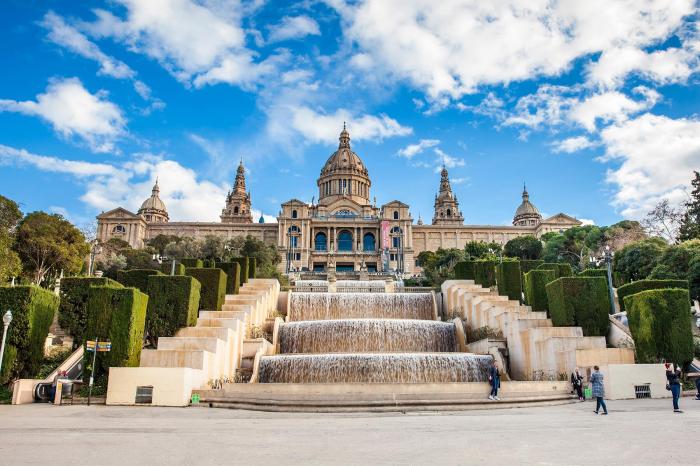
Spain’s architectural landscape is a rich tapestry woven from diverse influences, reflecting centuries of cultural exchange and artistic innovation. From the intricate designs of Moorish palaces to the soaring heights of Gothic cathedrals and the grandeur of Renaissance and Baroque structures, a journey through Spanish architecture reveals a fascinating evolution of styles and techniques. This section will delve into the defining characteristics of these significant periods, highlighting their unique contributions to the Spanish architectural heritage.
Moorish Architecture in Spain
Moorish architecture, a legacy of the Islamic rule in Spain (711-1492), profoundly shaped the country’s architectural identity. The influence is most evident in Andalusia, particularly in cities like Cordoba, Seville, and Granada. Key features include horseshoe arches, intricate geometric patterns, and the use of decorative elements like arabesques and calligraphy. The Alhambra in Granada, a breathtaking palace and fortress complex, epitomizes the pinnacle of Moorish artistry in Spain.
Its delicate stucco work, stunning courtyards, and masterful use of light and shadow create an atmosphere of refined elegance and sophisticated design. The Mezquita-Cathedral of Cordoba, a remarkable example of architectural adaptation, showcases the seamless integration of Moorish and Christian elements. The original mosque’s vast hypostyle hall, with its forest of columns and arches, remains a powerful testament to Moorish engineering and aesthetic sensibilities.
The lasting impact of Moorish architecture is visible in many Spanish cities, where elements such as courtyards, intricate tilework, and decorative plasterwork continue to inspire modern designs.
Gothic Architecture in Spain
The Gothic style, arriving in Spain in the 12th century, flourished particularly during the late Middle Ages. Spanish Gothic architecture displays a unique blend of French and regional influences, resulting in a diverse range of styles across the country. Pointed arches, ribbed vaults, and stained-glass windows are common features. The Cathedral of Burgos, a masterpiece of flamboyant Gothic style, exemplifies the grandeur and intricacy of the period.
Its towering spires, ornate façade, and soaring interior spaces create a sense of awe and spiritual reverence. The Cathedral of Toledo, another notable example, boasts a more austere style, reflecting a transition from the earlier French Gothic influences. The use of local materials, such as granite and sandstone, often imparted a unique regional character to Spanish Gothic structures.
Renaissance and Baroque Architecture in Spain
The Renaissance and Baroque periods brought significant changes to Spanish architecture, marking a shift towards classical ideals and ornate decoration. The Renaissance, arriving somewhat later in Spain than in Italy, embraced classical symmetry and proportion, often incorporating elements of Roman and Greek architecture. The influence of Italian Renaissance architecture is particularly evident in palaces and public buildings. The Baroque period, characterized by dynamism, exuberance, and dramatic ornamentation, produced some of Spain’s most iconic structures.
The Royal Palace of Madrid, with its imposing scale and lavish decoration, is a prime example of Spanish Baroque architecture. The use of rich materials, intricate carvings, and dramatic curves created a sense of grandeur and power. The numerous churches built during this period showcase the Baroque style’s capacity for expressive and emotional architecture.
Comparative Table of Architectural Styles
| Architectural Style | Key Features | Examples | Notable Characteristics |
|---|---|---|---|
| Moorish | Horseshoe arches, intricate geometric patterns, arabesques, calligraphy, use of light and shadow | Alhambra (Granada), Mezquita-Cathedral (Cordoba), Alcázar of Seville | Ornate, refined, emphasis on geometry and decoration |
| Gothic | Pointed arches, ribbed vaults, stained-glass windows, flying buttresses | Cathedral of Burgos, Cathedral of Toledo, Cathedral of Seville | Verticality, soaring spaces, intricate stonework |
| Renaissance | Classical symmetry, proportion, use of classical orders (Doric, Ionic, Corinthian), emphasis on humanism | Palace of Charles V (Granada), Alcázar of Toledo | Balanced, harmonious, restrained decoration |
| Baroque | Dramatic ornamentation, curves, dynamism, use of rich materials, grandeur | Royal Palace of Madrid, Plaza Mayor (Madrid), numerous churches throughout Spain | Exuberant, emotional, theatrical |
Planning an Art and Architecture Tour in Spain
Planning a successful art and architecture tour of Spain requires careful consideration of various factors, from itinerary design and optimal travel times to transportation choices and resource selection. A well-structured plan ensures a fulfilling and enriching experience, maximizing your time and minimizing potential logistical challenges.
Sample 7-Day Art and Architecture Tour Itinerary
This itinerary focuses on a blend of iconic landmarks and lesser-known gems, offering a diverse taste of Spanish art and architecture. Adjustments can be made based on personal interests and preferred pace.
- Day 1-2: Barcelona (Catalonia): Explore Antoni Gaudí’s masterpieces, including the Sagrada Familia, Park Güell, and Casa Batlló. Visit the Picasso Museum and wander through the Gothic Quarter.
- Day 3-4: Madrid (Castile): Immerse yourself in the Prado Museum’s collection of Spanish masters, including Goya and Velázquez. Admire the Royal Palace and explore the Retiro Park.
- Day 5: Toledo (Castile-La Mancha): Take a day trip to Toledo, a UNESCO World Heritage city, known for its stunning cathedral and medieval architecture. Explore its historic streets and admire the Alcázar.
- Day 6: Seville (Andalusia): Discover the Alcázar of Seville, a magnificent royal palace showcasing a blend of architectural styles. Visit the Seville Cathedral, the largest Gothic cathedral in the world, and explore the charming Santa Cruz neighborhood.
- Day 7: Departure: Depart from Seville or Madrid, depending on your flight schedule.
Optimal Time of Year to Visit Spain
The best time to visit Spain for art and architecture tours is during the shoulder seasons – spring (April-May) and autumn (September-October). These months offer pleasant weather, fewer crowds than the peak summer months (June-August), and potentially lower prices on accommodation and flights. Summer can be extremely hot, particularly in southern Spain, while winter can be cold and wet in many regions.
Transportation Options in Spain
Spain boasts a well-developed transportation network, offering several options for exploring the country.
- High-speed trains (AVE): The AVE network connects major cities efficiently and comfortably. Booking in advance is recommended, especially during peak season.
- Buses: A cost-effective option for reaching smaller towns and villages not served by high-speed rail. Companies like ALSA offer extensive routes throughout Spain.
- Rental cars: Offer flexibility, particularly for exploring rural areas or visiting sites off the beaten path. However, parking can be challenging in city centers.
Recommended Resources for Booking
Several online platforms and agencies can assist with booking tours, accommodation, and transportation.
- Booking.com, Expedia, Airbnb: For accommodation options ranging from budget-friendly hostels to luxury hotels.
- Renfe (Spanish National Railways): For booking high-speed train tickets.
- ALSA: For booking bus tickets.
- GetYourGuide, Viator: For booking guided tours and activities.
- Rentalcars.com, Kayak: For comparing rental car prices and booking.
Beyond Art and Architecture
Spain offers a wealth of experiences beyond its renowned art and architecture. A well-planned tour can seamlessly integrate these additional elements, creating a richer and more memorable journey for visitors. This section explores various possibilities for enhancing your Spanish adventure.
Combining Art and Architecture Tours with Religious Pilgrimages to Santiago de Compostela
The Camino de Santiago, a network of pilgrimage routes leading to the Cathedral of Santiago de Compostela in Galicia, offers a unique opportunity to combine spiritual exploration with cultural immersion. Many sections of the Camino pass through charming towns and villages rich in Romanesque architecture, providing ample chances to admire stunning churches, monasteries, and historic buildings. Integrating a portion of the Camino into an art and architecture tour allows travelers to experience the historical and religious significance of the region while also enjoying the artistic heritage of Galicia.
This can be tailored to suit different fitness levels, with options ranging from short walks to longer sections of the pilgrimage route.
Incorporating Wildlife Watching Opportunities
Spain boasts diverse ecosystems, making it an ideal destination for wildlife enthusiasts. Birdwatching tours can be easily integrated into existing itineraries, focusing on specific regions known for their avian biodiversity. The Doñana National Park in Andalusia, for example, is a haven for migratory birds, while the Pyrenees Mountains offer opportunities to spot various raptors and other mountain birds. Similarly, guided wildlife safaris could be arranged in national parks and reserves to observe Iberian lynx, wild boar, or deer.
These experiences provide a refreshing contrast to the cultural focus of the tour.
Adding Winter Sports Trips to a Tour in the Pyrenees
The Pyrenees mountain range offers excellent opportunities for winter sports, such as skiing and snowboarding. Incorporating a few days of winter sports into a tour focusing on the art and architecture of nearby cities like Barcelona or Zaragoza provides a welcome change of pace and caters to a wider range of traveler interests. Many resorts in the Pyrenees are accessible and offer a variety of slopes for all skill levels.
This option is seasonal, of course, and would need to be carefully planned to coincide with the winter season and suitable snow conditions.
Island Hopping Around the Balearic or Canary Islands
Island hopping provides a unique way to experience the diverse landscapes and cultures of Spain. The Balearic Islands (Mallorca, Menorca, Ibiza, Formentera) offer a blend of beaches, historical sites, and vibrant nightlife. The Canary Islands (Tenerife, Gran Canaria, Lanzarote, Fuerteventura) offer volcanic landscapes, stunning beaches, and unique flora and fauna. A customized itinerary can be created to focus on specific islands based on the interests of the travelers, perhaps highlighting architectural styles specific to each island or focusing on unique natural attractions.
Integrating Voluntourism Opportunities
Voluntourism allows travelers to contribute to local communities while experiencing the country’s culture. Organizations in Spain offer various opportunities, such as assisting with restoration projects in historic buildings, working in community gardens, or teaching English in local schools. These experiences can be incorporated into the tour to provide a meaningful and enriching element, allowing travelers to make a positive impact while exploring Spain’s cultural heritage.
Incorporating Photography Tours Focused on Spanish Landscapes and Architecture
Spain’s stunning landscapes and architectural marvels provide endless photographic opportunities. A photography tour can be incorporated by including workshops led by professional photographers, focusing on specific techniques for capturing the beauty of Spanish architecture, from the Alhambra’s intricate details to the dramatic landscapes of the Picos de Europa. These workshops could be combined with visits to iconic locations, allowing participants to practice their skills while experiencing the country’s rich heritage.
Planning a Trip that Coincides with Spanish Festivals
Spain is renowned for its vibrant festivals, offering a unique cultural experience. Planning a tour to coincide with a major festival, such as La Tomatina (Buñol), the Fallas (Valencia), or Semana Santa (Holy Week), provides a dynamic and memorable addition to the itinerary. However, careful planning is essential to ensure accommodation and transportation are secured well in advance, as these events attract large crowds.
Adding a Desert Expedition to a Tour in Spain’s Southern Regions
Southern Spain’s arid regions offer a unique opportunity for desert expeditions. The Tabernas Desert in Almería, a popular filming location for Westerns, provides a dramatic backdrop for hiking, camel riding, or exploring the unique flora and fauna of this semi-desert environment. This adventurous element provides a contrast to the more urban aspects of the tour, allowing travelers to experience the diverse landscapes of Spain.
Including Underwater Adventures in Coastal Areas
Spain’s extensive coastline offers various opportunities for underwater adventures. Scuba diving or snorkeling excursions can be arranged in locations known for their marine biodiversity, such as the Mediterranean Sea or the Atlantic Ocean. This can provide a relaxing and enjoyable contrast to the cultural focus of the tour, and potentially even include exploring shipwrecks or underwater caves.
| Activity | Location | Description | Integration into Art & Architecture Tour |
|---|---|---|---|
| Religious Pilgrimage | Santiago de Compostela (Galicia) | Walk a section of the Camino de Santiago, experiencing historical towns and Romanesque architecture. | Combine with visits to Galician churches and monasteries. |
| Wildlife Watching | Doñana National Park (Andalusia) | Birdwatching or guided wildlife safaris to spot diverse species. | Combine with visits to Seville or other Andalusian cities. |
| Winter Sports | Pyrenees Mountains | Skiing or snowboarding in mountain resorts. | Combine with visits to Barcelona or Zaragoza. |
| Island Hopping | Balearic or Canary Islands | Explore different islands, focusing on unique architectural styles and natural attractions. | Create an itinerary highlighting specific islands and their architectural heritage. |
| Voluntourism | Various locations | Contribute to local communities through restoration projects or other activities. | Incorporate a few days of volunteer work into the tour itinerary. |
| Photography Tour | Various locations | Workshops focusing on Spanish landscapes and architecture. | Combine with visits to iconic locations. |
| Festival Attendance | Various locations (e.g., Buñol, Valencia) | Experience a major Spanish festival. | Plan the tour around festival dates, securing accommodation and transportation in advance. |
| Desert Expedition | Tabernas Desert (Almería) | Hiking, camel riding, or exploring the desert landscape. | Combine with visits to Almería or Granada. |
| Underwater Adventures | Mediterranean or Atlantic Coast | Scuba diving or snorkeling excursions. | Combine with visits to coastal cities. |
Summary
Planning an art and architecture tour in Spain promises an enriching experience, revealing the country’s profound cultural legacy. Whether you prioritize iconic landmarks or seek hidden gems, the diversity of styles and regions ensures a tailored adventure. By considering the practicalities of travel, including timing, transportation, and accommodation, you can craft a memorable journey that seamlessly blends cultural immersion with personal exploration.
Beyond the architecture and art, the opportunity to integrate other Spanish experiences, from culinary adventures to outdoor activities, elevates your trip to an unforgettable exploration of this captivating nation.
FAQ Section
What is the best time of year to visit Spain for art and architecture tours?
Spring (April-May) and Autumn (September-October) offer pleasant weather and fewer crowds than peak summer months.
Are guided tours necessary?
While self-guided tours are possible, guided tours offer valuable insights and context, enhancing the experience.
What’s the average cost of an art and architecture tour in Spain?
Costs vary greatly depending on duration, accommodation choices, and tour type. Budgeting for mid-range options is advisable.
How accessible are the sites for individuals with disabilities?
Accessibility varies by site. Check individual site websites for details before your visit.