Journey through Japan’s rich tapestry of architectural styles and artistic expressions. From the serene temples of Kyoto to the modern marvels of Tokyo, a tour unveils centuries of cultural evolution, blending traditional aesthetics with contemporary innovation. Explore the profound influence of Buddhism and Shintoism on design, and witness the unique artistic traditions that vary across Japan’s diverse regions. Prepare to be captivated by the artistry woven into every corner of this fascinating nation.
This exploration delves into the historical and cultural significance of Japanese art and architecture, examining its evolution through various periods. We’ll highlight iconic structures, renowned artists, and regional variations, offering a comprehensive overview of this compelling intersection of art and design. Practical travel tips and sample itineraries will assist in planning your own immersive experience.
Introduction to Architecture and Art Tours in Japan
Japan boasts a rich and diverse architectural and artistic heritage, shaped by centuries of cultural exchange and unique indigenous traditions. A journey through Japan’s artistic landscape reveals a fascinating interplay between ancient techniques and modern innovations, reflecting the nation’s dynamic history and evolving identity. Our tours offer an unparalleled opportunity to explore this captivating blend of styles and influences.
Japanese architecture showcases a remarkable spectrum of styles, from the serene simplicity of traditional wooden structures to the bold, futuristic designs of contemporary skyscrapers. The influence of Buddhism, Shintoism, and other cultural forces is evident in the diverse architectural forms found throughout the archipelago. For instance, the intricate details of Buddhist temples stand in stark contrast to the minimalist aesthetic of traditional tea houses, while modern structures often incorporate traditional elements in innovative ways.
Diverse Architectural Styles in Japan
Japan’s architectural landscape is a tapestry woven from various threads, each representing a unique period and cultural influence. Traditional Japanese architecture, characterized by its use of wood, paper, and natural materials, emphasizes harmony with nature and a deep respect for craftsmanship. Examples include the iconic pagodas with their tiered roofs and the elegant simplicity of sukiya-style tea houses.
The Meiji period (1868-1912) saw the introduction of Western architectural styles, resulting in a fascinating blend of East and West, as seen in government buildings and early industrial structures. Contemporary Japanese architecture, exemplified by the works of architects like Kenzo Tange and Tadao Ando, is renowned for its innovative use of materials and its ability to seamlessly integrate traditional and modern elements.
These diverse styles reflect Japan’s dynamic history and its ability to adapt and innovate while preserving its cultural heritage.
Renowned Japanese Artists and Their Impact
The artistic landscape of Japan is equally diverse and vibrant, shaped by the contributions of numerous influential artists. From the classical elegance of ukiyo-e woodblock prints by artists like Katsushika Hokusai and Utagawa Hiroshige to the bold strokes of contemporary artists such as Yayoi Kusama and Takashi Murakami, Japanese art has captivated audiences worldwide. Hokusai’s “Thirty-six Views of Mount Fuji” series, for example, exemplifies the beauty and power of nature in Japanese art, while Kusama’s immersive installations explore themes of infinity and repetition.
The impact of these artists extends beyond the aesthetic realm; they have profoundly shaped Japan’s cultural identity and its global artistic reputation. Their works continue to inspire and influence artists across the globe.
Historical and Cultural Significance of Art and Architecture
Art and architecture in Japan are not merely aesthetic expressions; they are integral components of the nation’s cultural identity and historical narrative. Temples, shrines, castles, and gardens serve as tangible links to Japan’s past, embodying its religious beliefs, social structures, and artistic traditions. The meticulous craftsmanship and attention to detail evident in these structures reflect a deep-seated cultural value placed on skill and precision.
Moreover, Japanese art forms, from calligraphy and painting to pottery and sculpture, have served as powerful mediums for expressing spiritual beliefs, social commentary, and personal emotions. The enduring appeal of these art forms underscores their importance in shaping Japanese identity and fostering a sense of national pride. The careful preservation and continued creation of these artistic and architectural marvels ensure the continuation of a rich cultural legacy.
Kyoto’s Architectural and Artistic Gems
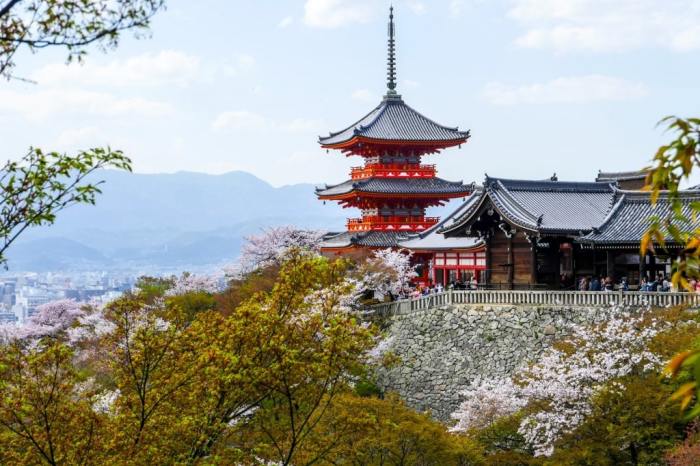
Kyoto, Japan’s ancient capital, boasts a breathtaking collection of architectural and artistic treasures, reflecting centuries of cultural evolution and aesthetic refinement. A journey through Kyoto is a journey through time, revealing the intricate interplay of religious beliefs, artistic innovation, and societal shifts manifested in its buildings and crafts. This exploration will delve into the key features of Kyoto’s architectural and artistic heritage, offering a glimpse into the city’s rich past.
Key Architectural Features of Kyoto’s Temples and Shrines
Kyoto’s temples and shrines exemplify a unique blend of architectural styles, primarily influenced by Buddhism and Shintoism. Common features include the use of natural materials like wood, the incorporation of traditional Japanese roofing styles (such as the gently curved
- irimoya* and the steeply pitched
- gongen-zukuri*), and the prominent use of intricate carvings and decorative elements. Temples often feature imposing gates (*sanmon*), serene gardens, and multi-storied pagodas (*to*). Shrines, on the other hand, typically feature simpler structures, often emphasizing natural settings and the use of
- torii* gates to mark the sacred space. The meticulous craftsmanship and attention to detail evident in these structures are testaments to the dedication of generations of artisans.
Artistic Styles Prevalent in Kyoto’s Traditional Crafts
Kyoto’s traditional crafts represent a diverse tapestry of artistic expression.
- Urushi* lacquerware, known for its lustrous finish and intricate designs, is a hallmark of Kyoto’s artistic heritage. The meticulous process, involving multiple layers of lacquer and often incorporating gold leaf or mother-of-pearl inlay, results in objects of exceptional beauty and durability.
- Kyo-yaki* ceramics, characterized by their subtle elegance and refined glazes, are another significant art form. The city is also renowned for its
- kyo-yuzen* silk dyeing, where intricate patterns are meticulously applied using stencils and dyes, producing vibrant and exquisite textiles. These crafts, passed down through generations, showcase the artistry and skill of Kyoto’s artisans.
Comparative Analysis of Different Architectural Periods in Kyoto
Kyoto’s architecture reflects the evolution of styles across different historical periods. The Heian period (794-1185) saw the development of elegant palaces and temples, characterized by graceful curves and a sense of refined simplicity. Examples include the remnants of the Heian-kyo Palace. The Muromachi period (1336-1573), marked by the rise of the Ashikaga shogunate, witnessed a shift towards more austere and functional designs, reflecting a changing social and political landscape.
Zen gardens, with their carefully arranged rocks and sand, became increasingly prominent during this period, emphasizing contemplation and mindfulness. The contrast between the ornate elegance of Heian architecture and the understated beauty of Muromachi architecture highlights the dynamic interplay between artistic styles and societal changes.
Sample 3-Day Architecture and Art Tour in Kyoto
This itinerary focuses on experiencing Kyoto’s architectural and artistic highlights.
| Day | Location | Activity |
|---|---|---|
| 1 | Kinkaku-ji (Golden Pavilion) & Ryoan-ji (Zen Garden) | Guided tour focusing on the architectural features and historical context of both sites. |
| 2 | Fushimi Inari-taisha Shrine & Kiyomizu-dera Temple | Explore the thousands of vermilliontorii* gates at Fushimi Inari and the wooden stage and stunning views from Kiyomizu-dera. Consider a traditional tea ceremony. |
| 3 | Nijo Castle & Nishiki Market | Visit Nijo Castle to admire its impressive architecture and learn about its historical significance. Afterwards, explore Nishiki Market, sampling local delicacies and observing traditional crafts. |
Exploring Modern and Contemporary Architecture in Japan
Japan’s architectural landscape is a captivating blend of tradition and innovation, showcasing a remarkable evolution in design philosophies and construction techniques. From the post-war reconstruction era to the cutting-edge designs of today, Japanese architects have consistently pushed boundaries, creating structures that are both aesthetically pleasing and functionally efficient. This exploration delves into the key aspects of modern and contemporary architecture in Japan, highlighting prominent examples and influential factors.Modern and contemporary architecture in Japan is a dynamic field shaped by a complex interplay of global influences and unique cultural expressions.
The post-war period saw a rapid adoption of international modernist styles, while later decades witnessed a burgeoning of uniquely Japanese architectural expressions incorporating sustainable practices and innovative technologies. This fusion of global trends and local sensibilities is a defining characteristic of the country’s architectural identity.
Prominent Examples of Modern and Contemporary Architecture in Major Japanese Cities
Tokyo, Osaka, and other major Japanese cities boast a rich tapestry of modern and contemporary architectural marvels. Tokyo’s skyline, for instance, is punctuated by iconic structures like the Tokyo Metropolitan Government Building, a testament to Brutalist architecture, and the strikingly futuristic designs of the Mori Tower and the Tokyo Skytree. Osaka, known for its vibrant culture, features architectural gems such as the Umeda Sky Building, a unique architectural design with a floating garden, and the impressive architecture of the National Museum of Art, Osaka.
These structures represent a diverse range of styles and approaches, reflecting the city’s dynamic and evolving character. Other notable examples include the Sapporo Snow Festival Museum in Sapporo and the Hiroshima Peace Memorial Museum, which, while not strictly “modern” in the strictest sense, stand as powerful statements about architectural design in the context of significant historical events.
Influence of International Architectural Styles on Japanese Design
International architectural styles have profoundly impacted Japanese design, leading to a fascinating fusion of aesthetics and techniques. The influence of Western modernism, particularly Bauhaus and International Style principles, is evident in many post-war structures, characterized by clean lines, functional forms, and a focus on materials like concrete and steel. However, Japanese architects have skillfully adapted these influences, integrating them with traditional Japanese concepts of space, light, and materiality.
The incorporation of minimalist principles, for example, has resulted in structures that are both modern and deeply rooted in Japanese aesthetic sensibilities. The influence of Metabolism, a post-war architectural movement originating in Japan, further highlights the nation’s unique contribution to global architectural discourse.
The Role of Sustainability in Modern Japanese Architecture
Sustainability is increasingly central to modern Japanese architecture. Architects are actively exploring innovative techniques to minimize environmental impact, employing sustainable materials, optimizing energy efficiency, and incorporating green technologies. The use of locally sourced timber, the integration of passive solar design strategies, and the incorporation of green roofs and vertical gardens are becoming increasingly common. Furthermore, there’s a growing emphasis on creating buildings that seamlessly integrate with their natural surroundings, minimizing disruption to the existing ecosystem.
This commitment to sustainable practices reflects a broader societal shift towards environmental consciousness in Japan.
Museums Showcasing Contemporary Japanese Art
Contemporary Japanese art is a vibrant and diverse field, encompassing a wide range of styles and expressions. Several museums across Japan showcase the works of leading contemporary artists, offering valuable insights into the country’s artistic landscape.
- The Mori Art Museum in Tokyo: Features rotating exhibitions of contemporary art from Japan and around the world, often including installations and multimedia works.
- The National Museum of Art, Osaka: Houses a significant collection of contemporary Japanese art, encompassing painting, sculpture, and installation art.
- The Yokohama Museum of Art: Features a diverse collection of modern and contemporary art, with a focus on Japanese and international artists.
- The Suntory Museum of Art in Tokyo: Showcases a range of art, including contemporary Japanese works, within a beautifully designed museum space.
- The 21_21 DESIGN SIGHT in Tokyo: A museum dedicated to design, often featuring exhibitions that explore the intersection of art, design, and contemporary culture.
Regional Variations in Japanese Art and Architecture
Japan’s diverse geography and history have fostered a rich tapestry of regional artistic and architectural styles. While a unifying aesthetic thread runs through Japanese art and architecture, significant variations exist across the archipelago, reflecting the unique environmental conditions, historical experiences, and cultural interactions of each region. These differences are not merely stylistic; they represent deeply ingrained cultural identities and adaptations to specific landscapes.
The distinct characteristics of each region’s art and architecture are a testament to the interplay between nature and human creativity. Mountainous terrains, coastal environments, and fertile plains have all shaped the materials, techniques, and forms employed by artisans and builders throughout Japan’s history. Furthermore, historical events like feudal warfare, the rise and fall of various clans, and interactions with other cultures have left their indelible mark on the artistic landscapes of different regions.
Tohoku’s Architectural and Artistic Traditions
Tohoku, the northernmost region of Honshu, is characterized by its rugged mountains, harsh winters, and abundant forests. This environment has influenced the region’s architectural styles, leading to the development of sturdy, functional structures built primarily from locally sourced wood. Traditional houses often feature steep, gabled roofs designed to withstand heavy snowfall, and thick walls for insulation. The region’s artistic traditions reflect a connection to nature, with crafts like lacquerware, often incorporating intricate designs inspired by the local flora and fauna.
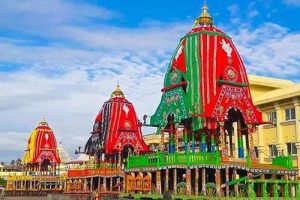
The Nebuta Matsuri festival in Aomori, featuring giant, illuminated floats depicting historical figures and mythical creatures, is a vibrant example of Tohoku’s unique artistic expression. These floats, constructed with painstaking detail and craftsmanship, showcase the region’s skill in woodworking and artistry.
Kyushu’s Distinctive Architectural and Artistic Styles
Kyushu, the southwesternmost of Japan’s main islands, possesses a warmer climate and a more complex history than Tohoku, having been a major point of contact with the Asian continent. This history is reflected in the region’s architectural styles, which exhibit a blend of Japanese and continental influences. One can observe a greater use of tile roofing and more elaborate decorative elements compared to some other regions.
Kyushu’s artistic traditions are equally diverse, encompassing ceramics, particularly known for its distinctive Imari ware, characterized by bold colors and opulent designs. The Kumamoto Castle, a magnificent example of Japanese castle architecture, demonstrates Kyushu’s architectural prowess, though much of it was rebuilt after significant damage during the Kumamoto earthquakes. The castle’s impressive stone walls and intricate gate structures highlight the region’s skill in stonework and defensive architecture.
Hokkaido’s Unique Architectural and Artistic Landscape
Hokkaido, the northernmost island of Japan, possesses a distinctly different character from the other regions. Its colder climate and history as a relatively late-developed region, with significant Ainu influence, have shaped its unique architectural and artistic traditions. Traditional Ainu crafts, including intricate wood carvings and woven textiles, showcase a profound connection to nature and a distinct aesthetic sensibility. Hokkaido’s architecture, while incorporating some elements of Japanese design, also reflects the influence of Western styles, reflecting its later development and the influx of immigrants during the Meiji period.
The use of sturdy materials and functional designs suited to the harsh climate is prominent in the region’s architecture. The Sapporo Snow Festival, a celebrated winter event featuring elaborate snow and ice sculptures, is a testament to Hokkaido’s creative adaptation to its unique environment. These sculptures, often incorporating intricate designs and themes, represent a distinctive form of artistic expression found only in this northernmost region.
The Role of Religion in Japanese Architecture and Art
Religion has profoundly shaped the aesthetic and spiritual landscape of Japan, leaving an indelible mark on its architecture and art. Buddhism and Shintoism, the two dominant faiths, have intertwined and influenced each other, resulting in a unique and multifaceted cultural expression. The design, symbolism, and function of temples, shrines, and gardens all reflect the core beliefs and practices of these religions.
The interplay between Buddhism and Shintoism is particularly evident in the design of religious structures. Buddhist temples, often characterized by their elaborate pagodas and intricate carvings, stand in contrast to the simpler, nature-oriented designs of Shinto shrines. However, both architectural styles share a deep respect for nature and a focus on creating spaces that foster spiritual contemplation and connection with the divine.
Buddhist Influence on Temple Architecture
Buddhist temples in Japan showcase a rich tapestry of architectural styles, influenced by various schools of Buddhism and evolving over centuries. Early temples, such as those found at Horyu-ji, reflect the influence of Chinese architecture, with their imposing pagodas and elaborate gate structures. Later temples, such as Kiyomizu-dera, incorporate more indigenous Japanese elements, demonstrating a fusion of styles.
The use of wood, the incorporation of natural elements into the design, and the emphasis on creating serene and contemplative spaces are all key characteristics of Buddhist temple architecture. Intricate carvings, often depicting Buddhist deities and narratives, adorn the interiors and exteriors of many temples, serving as visual aids for religious instruction and inspiring spiritual reflection.
Shinto Influence on Shrine Architecture
Shinto shrines, in contrast to Buddhist temples, typically feature simpler, more understated designs that emphasize a connection with nature. Many shrines are located in forests or mountainous areas, reflecting the Shinto belief in the sacredness of natural environments. The use of natural materials such as wood and thatch, and the incorporation of natural elements like water features and gardens, are characteristic features.
The distinctive torii gates, often painted vermillion red, mark the entrance to sacred grounds, serving as a symbolic transition between the mundane and the sacred. Shrine architecture emphasizes purity and simplicity, reflecting the Shinto emphasis on ritual purification and connection with the kami (spirits).
Symbolism and Iconography in Religious Art
Religious art in Japan is rich in symbolism and iconography, conveying complex theological concepts and narratives through visual means. Buddhist art often depicts Buddhas, Bodhisattvas, and other deities, employing specific iconographic conventions to represent their attributes and roles. For example, the Amitabha Buddha is often depicted with a serene expression and a halo, symbolizing his compassionate nature and enlightenment.
Shinto art frequently features depictions of kami, often represented as stylized figures or natural objects such as trees and animals. The use of color, patterns, and symbolic objects, such as the lotus flower (representing purity) and the sacred mirror (representing the kami), further enhances the symbolic meaning of the artwork.
Significance of Sacred Spaces in Japanese Culture
Sacred spaces in Japan, whether Buddhist temples or Shinto shrines, play a crucial role in Japanese culture, serving as centers for religious practice, community gathering, and spiritual contemplation. These spaces are not merely places of worship but also act as repositories of cultural heritage and historical memory. Many temples and shrines house important artifacts and documents, providing insights into the evolution of Japanese religion and culture.
The annual festivals and rituals held at these sites further reinforce their importance as focal points for community life and cultural expression. The gardens associated with many temples and shrines also serve as important sacred spaces, offering opportunities for contemplation and connection with nature. These carefully designed landscapes, often incorporating elements such as ponds, rocks, and meticulously pruned trees, are integral to the overall spiritual experience.
Planning Your Architecture and Art Tour in Japan
Embarking on an architecture and art tour of Japan requires careful planning to maximize your experience. This section provides practical advice on transportation, accommodation, and budgeting to ensure a smooth and enriching journey through Japan’s rich artistic and architectural heritage. Consider these key factors to craft your perfect itinerary.
Transportation Options in Japan
Japan boasts an efficient and extensive public transportation network, making it relatively easy to navigate between cities and regions. The Japan Rail Pass is a cost-effective option for extensive travel, particularly if you plan to visit multiple cities. However, for shorter trips or concentrated exploration within a single region, local train lines and buses offer convenient and affordable alternatives.
High-speed Shinkansen bullet trains provide rapid transit between major cities, while local trains offer a more scenic and immersive journey through the countryside. Within cities, efficient subway systems and well-connected bus routes are readily available. Taxis are also an option, but they tend to be more expensive. Consider the distances involved in your itinerary and your budget when choosing the most appropriate mode of transportation.
For example, a trip focusing solely on Kyoto might not require a Japan Rail Pass, while a nationwide tour would benefit greatly from its comprehensive coverage.
Accommodation Choices
Accommodation options in Japan range from traditional Ryokans (Japanese inns) offering a cultural immersion experience to modern hotels and budget-friendly hostels. Ryokans provide a unique opportunity to experience Japanese hospitality and aesthetics, often including traditional meals and onsen (hot springs). Hotels offer a wider range of amenities and price points, catering to diverse budgets and preferences. Hostels are a cost-effective choice for budget travelers, providing a social atmosphere and opportunities to meet fellow travelers.
Booking accommodations in advance, especially during peak tourist seasons, is highly recommended to secure your preferred choice and avoid disappointment. For example, securing a room in a popular Ryokan in Kyoto during cherry blossom season requires booking several months in advance.
Sample 7-Day Architecture and Art Tour Budget
This sample budget provides a rough estimate for a 7-day architecture and art tour focusing on Kyoto and surrounding areas. Prices can vary significantly depending on your travel style and choices.
| Item | Estimated Cost (USD) |
|---|---|
| Flights (International) | $1000 – $2000 |
| Japan Rail Pass (7 days) | $400 – $600 (optional, depending on itinerary) |
| Accommodation (7 nights) | $700 – $1400 (depending on choice of accommodation) |
| Food (7 days) | $500 – $1000 (depending on dining choices) |
| Activities & Entrance Fees | $300 – $600 (depending on number of sites visited) |
| Transportation (local) | $100 – $200 |
| Miscellaneous | $100 – $200 |
| Total Estimated Cost | $3100 – $6000 |
Note: This is a rough estimate, and actual costs may vary depending on individual spending habits and travel choices. Consider factoring in additional funds for unforeseen expenses.
Comparative Analysis
This section offers a comparative overview of various travel themes, contrasting experiences in Japan with those in other global destinations. The aim is to highlight both the similarities and unique characteristics of each, providing a broader perspective for travel planning.
Religious Pilgrimages: Japan vs. Other Countries
Religious pilgrimages offer profound spiritual experiences, and comparing Japan’s rich Buddhist and Shinto traditions with other faiths reveals diverse practices and destinations. In Japan, pilgrimages often involve visiting numerous temples and shrines along designated routes, such as the 88-temple Shikoku Pilgrimage. Other countries offer equally compelling pilgrimages.
- The Camino de Santiago, Spain: This ancient pilgrimage route spans hundreds of kilometers, leading to the Cathedral of Santiago de Compostela, believed to house the remains of St. James the Great. Pilgrims often walk or cycle, experiencing the natural beauty of Spain while engaging in spiritual reflection.
- The Char Dham Yatra, India: This Hindu pilgrimage involves visiting four sacred sites in the Himalayas: Yamunotri, Gangotri, Kedarnath, and Badrinath. The challenging journey, often undertaken at high altitudes, holds immense religious significance for Hindus.
- The Hajj, Mecca, Saudi Arabia: This Islamic pilgrimage to Mecca is one of the five pillars of Islam and represents a profound spiritual journey for millions of Muslims worldwide. The Hajj involves specific rituals and ceremonies performed over several days.
Wildlife Watching: Japan vs. Africa
Japan and Africa offer vastly different wildlife viewing experiences, showcasing unique ecosystems and animal species.
- Japan: Japanese wildlife viewing might focus on the Japanese macaque (snow monkeys), red foxes, various bird species, and possibly whales (depending on location and season). Experiences often involve viewing animals in more natural, but often smaller, habitats.
- Africa: African safaris offer iconic encounters with the “Big Five” (lion, elephant, rhinoceros, leopard, and buffalo), along with giraffes, zebras, cheetahs, and a vast array of other mammals, birds, and reptiles. The scale and diversity of African wildlife are unmatched.
Winter Sports: Japan vs. The Alps
Japan and the Alps both offer world-class winter sports destinations, but with distinct characteristics.
- Japan: Japanese resorts, such as Niseko and Hakuba, are known for their exceptional powder snow, attracting skiers and snowboarders from around the globe. The unique cultural experience adds to the appeal.
- The Alps: The Alps boast a vast network of resorts, offering diverse terrain and activities, from challenging off-piste skiing to family-friendly slopes. Major resorts include Courchevel, Zermatt, and Chamonix, each with its own unique character.
Island Hopping: Japan vs. Greece
Island hopping in Japan and Greece offers distinct island experiences.
- Japan: Japan’s islands, from Hokkaido to Okinawa, showcase diverse landscapes, from volcanic peaks to subtropical beaches. Each island possesses a unique culture and history, offering a varied experience.
- Greece: The Greek islands are renowned for their stunning beaches, crystal-clear waters, and ancient ruins. The Cyclades and Dodecanese offer iconic white-washed villages and vibrant nightlife, contrasting with the more secluded islands.
Voluntourism: Japan vs. South America
Voluntourism opportunities differ significantly between Japan and South America.
- Japan: Voluntourism in Japan might involve assisting with disaster relief efforts, environmental conservation projects, or teaching English in rural communities. Opportunities may be more structured and focused on specific needs.
- South America: South America offers a wider range of voluntourism projects, including community development, environmental protection (Amazon rainforest), and working with indigenous communities. Projects may be less structured, requiring more adaptability.
Photography Tours: Japan vs. Iceland
Japan and Iceland provide unique photographic opportunities.
- Japan: Japanese photography tours might focus on capturing the beauty of ancient temples, bustling cityscapes, serene gardens, and the vibrant colors of autumn foliage. The blend of traditional and modern aesthetics offers diverse subjects.
- Iceland: Iceland offers dramatic landscapes, including glaciers, waterfalls, volcanoes, and the Northern Lights. Photographers can capture stunning natural wonders and unique geological formations.
Festival Travel: Japan vs. Brazil
Festivals in Japan and Brazil offer contrasting cultural experiences.
- Japan: Japanese festivals, such as the Gion Matsuri in Kyoto and the Nebuta Matsuri in Aomori, showcase traditional customs, vibrant costumes, and captivating performances. They offer a glimpse into Japanese history and spirituality.
- Brazil: Brazilian festivals, such as Carnival in Rio de Janeiro and Festa Junina, are renowned for their exuberant celebrations, music, dance, and vibrant costumes. They reflect the country’s diverse cultural heritage and passion for life.
Desert Expeditions: Japan vs. Sahara
While Japan lacks extensive deserts, comparing a potential desert experience in Japan (perhaps focusing on unique arid landscapes) with the Sahara highlights contrasting challenges and rewards.
- Japan: A hypothetical desert expedition in Japan might focus on exploring arid coastal regions or unique volcanic landscapes, offering a different perspective on desert-like environments.
- Sahara: Sahara expeditions involve navigating vast sand dunes, facing extreme temperatures, and experiencing the stark beauty of one of the world’s largest deserts. The challenges are significantly greater, but the rewards are equally profound.
Underwater Adventures: Japan vs. Great Barrier Reef
Japan and the Great Barrier Reef offer unique underwater experiences.
- Japan: Japanese diving might focus on exploring kelp forests, encountering diverse fish species, and potentially witnessing whale sharks or other large marine animals. The cooler waters offer a different diving experience.
- Great Barrier Reef: The Great Barrier Reef, the world’s largest coral reef system, offers unparalleled biodiversity, with vibrant coral gardens, countless fish species, and the chance to encounter sea turtles, sharks, and other marine life. The warmer waters provide a different diving experience.
End of Discussion
Ultimately, experiencing Japan’s architecture and art is a journey through time, revealing the nation’s soul. From the meticulous detail of ancient temples to the bold strokes of contemporary masterpieces, the country’s artistic heritage is a testament to its enduring spirit and creative ingenuity. By understanding the cultural context and historical influences, visitors can gain a deeper appreciation for the artistry and craftsmanship that define this unique destination.
Plan your trip, immerse yourself in the beauty, and let the wonders of Japan inspire you.
Detailed FAQs
What’s the best time of year to visit Japan for architecture and art tours?
Spring and autumn offer pleasant weather and fewer crowds. Summer can be hot and humid, while winter can be cold, especially in northern regions.
How much does an architecture and art tour of Japan typically cost?
Costs vary greatly depending on the duration, level of luxury, and activities included. Expect to budget at least $2,000-$5,000 for a week-long trip, excluding international flights.
Do I need a visa to visit Japan?
Visa requirements depend on your nationality. Check the Japanese embassy or consulate website for your country’s specific requirements.
What language is spoken in Japan?
Japanese is the official language. While English is spoken in tourist areas, learning basic Japanese phrases will enhance your experience.