Winter sports adventure tours offer a unique blend of adrenaline-pumping activities and breathtaking landscapes. These tours cater to a diverse audience, from seasoned athletes seeking a challenge to casual enthusiasts looking for a memorable winter getaway. Whether you dream of carving fresh powder on pristine slopes, exploring frozen wilderness by snowmobile, or simply enjoying the serene beauty of a snow-covered world, a winter sports adventure tour promises an unforgettable experience.
The carefully curated itineraries combine thrilling activities with comfortable accommodations and expert guidance, ensuring a safe and enjoyable journey for all participants.
From the exhilarating speed of downhill skiing to the tranquil exploration of snowshoeing, these tours provide a range of options to suit various skill levels and preferences. Popular destinations worldwide offer unique opportunities, from the iconic Alps to the stunning Rockies, each boasting its own distinct charm and challenges. Tour packages are tailored to different budgets and preferences, ensuring accessibility for a wide range of travelers.
Safety is paramount, with experienced guides and comprehensive risk management protocols in place to ensure a secure and enjoyable adventure.
Defining “Winter Sports Adventure Tours”
Winter sports adventure tours offer a unique blend of exhilarating outdoor activities and immersive travel experiences, catering to a diverse range of thrill-seekers and nature enthusiasts. These tours typically involve a structured itinerary encompassing several winter sports, often within a specific geographic region known for its exceptional winter conditions. They provide a convenient and comprehensive package, combining accommodation, transportation, equipment rental (sometimes), and guided excursions, eliminating the need for individual planning and logistical arrangements.Winter sports adventure tours encompass a wide array of activities, depending on the location and tour operator.
Common activities include skiing (both downhill and cross-country), snowboarding, snowshoeing, ice climbing, ice skating, and potentially even winter mountaineering or dog sledding. Destinations range from the well-established ski resorts of the Alps and Rockies to more remote and adventurous locations in Scandinavia, Canada, or even Antarctica. The choice of location directly impacts the specific activities offered and the overall level of challenge.
Target Audience for Winter Sports Adventure Tours
The target audience for these tours is broad but generally includes individuals and groups with a shared interest in winter sports and outdoor adventure. Demographics are varied, encompassing families, couples, groups of friends, and even solo travelers. Interests typically revolve around physical activity, exploration of natural landscapes, and a desire for unique and memorable travel experiences. Specific age ranges can vary widely depending on the tour’s intensity and activity level, ranging from family-friendly options to more challenging excursions suited to experienced athletes.
Many tours cater to specific skill levels within a particular sport, ensuring a suitable challenge for all participants.
Key Differentiators of Winter Sports Adventure Tours
What sets winter sports adventure tours apart from other winter travel options is their comprehensive and curated nature. Unlike independent winter vacations requiring extensive planning and individual bookings, these tours offer a streamlined experience. This includes pre-arranged accommodation, transportation, and guided activities, minimizing logistical hassles and maximizing time spent enjoying the winter sports. The guided aspect is particularly significant, providing expertise, safety measures, and often unique insights into the local environment and culture.
Many tours also incorporate elements of cultural immersion, offering opportunities to experience local cuisine, traditions, and history, thus transforming the trip into a holistic travel experience beyond just the sporting activities. Finally, the structured nature of these tours often creates a sense of community among participants, fostering shared experiences and lasting memories.
Types of Winter Sports Included
Winter sports adventure tours offer a diverse range of activities, catering to various skill levels and preferences. From adrenaline-pumping downhill descents to the serene beauty of snowshoeing, these tours provide unforgettable experiences in stunning winter landscapes. The choice of activity depends on individual fitness levels, experience, and desired intensity.
Adventure tours typically include a selection of winter sports designed to maximize the enjoyment and challenge for participants. The inclusion of specific sports often depends on the location and the tour operator’s specialization. However, several activities consistently feature prominently in these tours.
Common Winter Sports Activities
Several popular winter sports are frequently included in adventure tours. These activities offer a variety of challenges and experiences, ensuring something for everyone, regardless of their skill level or physical fitness.
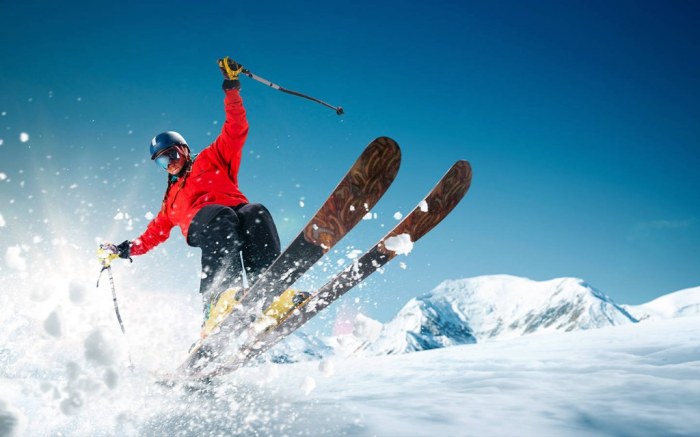
- Skiing (Downhill and Cross-country): Downhill skiing involves navigating slopes on skis, requiring balance, coordination, and speed control. Cross-country skiing, on the other hand, is a more endurance-based activity, focusing on technique and stamina across varied terrains.
- Snowboarding: Similar to downhill skiing in terms of speed and excitement, snowboarding utilizes a single board, demanding balance and agility. It generally has a steeper learning curve than skiing.
- Snowshoeing: A low-impact activity perfect for all fitness levels, snowshoeing allows exploration of snowy landscapes at a leisurely pace. It requires minimal skill and is ideal for enjoying the scenery.
- Ice Skating: Whether on natural frozen lakes or specially designed rinks, ice skating provides a graceful and enjoyable activity. It requires balance and coordination but is accessible to various skill levels.
- Ice Climbing: This challenging activity involves ascending frozen waterfalls or ice formations using specialized equipment and techniques. It requires significant strength, experience, and specialized training, making it suitable only for experienced adventurers.
Difficulty Levels and Required Skills
The difficulty levels and required skills vary significantly across different winter sports. A comparison helps potential participants choose activities that align with their abilities and experience.
| Activity | Difficulty Level | Required Skills |
|---|---|---|
| Snowshoeing | Beginner | Basic balance and stamina |
| Cross-country Skiing | Beginner to Intermediate | Balance, stamina, basic technique |
| Downhill Skiing | Beginner to Advanced | Balance, coordination, speed control, technique |
| Snowboarding | Intermediate to Advanced | Balance, agility, coordination, strong core strength |
| Ice Climbing | Advanced | Significant strength, experience, specialized training |
Price Range, Duration, and Physical Demands
The cost, time commitment, and physical exertion involved in winter sports tours vary considerably depending on the chosen activity and the tour operator. This table provides a general overview.
| Activity | Price Range (per person) | Duration (typical) | Physical Demands |
|---|---|---|---|
| Snowshoeing Tour | $50 – $150 | Half-day to full-day | Low to Moderate |
| Cross-country Skiing Tour | $75 – $250 | Half-day to multi-day | Moderate to High |
| Downhill Skiing Tour | $150 – $500+ | Multi-day | Moderate to High |
| Snowboarding Tour | $150 – $500+ | Multi-day | High |
| Ice Climbing Tour | $300 – $1000+ | Multi-day | Very High |
Popular Destinations for Winter Sports Adventure Tours
Choosing the right destination for your winter sports adventure is crucial for maximizing your experience. Factors such as snow conditions, terrain variety, accessibility, and après-ski activities all play a significant role in shaping the overall trip. This section highlights five globally renowned destinations, each offering a unique blend of winter sports and experiences.
The following destinations are popular choices for winter sports enthusiasts, each offering diverse options and catering to different adventure styles. We’ll explore the specific activities available and consider the advantages and disadvantages for various types of travelers.
Winter Sports Destinations: A Comparative Overview
- The Alps (France, Switzerland, Austria, Italy): The Alps offer a vast expanse of world-class ski resorts, catering to all skill levels. From gentle slopes for beginners to challenging off-piste runs for experts, the options are limitless. Beyond skiing and snowboarding, activities like ice climbing, snowshoeing, and cross-country skiing are readily available. The unique aspects include charming villages, luxurious accommodations, and a rich cultural heritage.
- Pros: Diverse terrain, excellent infrastructure, vibrant après-ski scene, readily accessible.
- Cons: Can be expensive, crowded during peak season, potentially less adventurous for experienced thrill-seekers seeking truly untouched terrain.
- Whistler Blackcomb, Canada: Located in British Columbia, Whistler Blackcomb is consistently ranked among the best ski resorts globally. Known for its extensive terrain, abundant snowfall, and stunning mountain scenery, it attracts skiers and snowboarders of all abilities. Beyond skiing and snowboarding, the resort offers activities such as snowmobiling, heli-skiing, and cat skiing.
- Pros: Exceptional skiing and snowboarding, diverse activities, stunning scenery, excellent infrastructure.
- Cons: Can be expensive, particularly for heli-skiing and cat skiing, potentially crowded during peak season.
- Niseko, Japan: Niseko, on the island of Hokkaido, is renowned for its exceptionally deep, powdery snow. This makes it a paradise for powder hounds and freestyle skiers and snowboarders. The unique aspects include a blend of Japanese culture and world-class skiing, offering a truly unique experience.
- Pros: Exceptional powder snow, unique cultural experience, more affordable than some other top destinations.
- Cons: Can be challenging to navigate for first-time visitors, language barrier can be a factor, less developed infrastructure compared to some European resorts.
- Aspen Snowmass, USA: Aspen Snowmass, in Colorado, is a luxurious ski resort with four mountains offering a diverse range of terrain. Known for its high-altitude skiing, stunning views, and vibrant après-ski scene, it attracts a sophisticated clientele. Besides skiing and snowboarding, options include snowmobiling and ice skating.
- Pros: High-altitude skiing, luxurious accommodations, excellent après-ski, convenient location.
- Cons: Very expensive, can be crowded, may not be ideal for budget travelers.
- Zermatt, Switzerland: Zermatt, a car-free village at the foot of the Matterhorn, offers breathtaking scenery and exceptional skiing. The iconic Matterhorn dominates the landscape, providing a stunning backdrop for all activities. Besides skiing and snowboarding, options include ice climbing, snowshoeing, and winter hiking.
- Pros: Stunning scenery, car-free environment, excellent skiing, charming village atmosphere.
- Cons: Expensive, can be crowded, limited après-ski compared to some other resorts.
Tour Packages and Pricing Structures
Winter sports adventure tours cater to a wide range of budgets and preferences, offering diverse packages to suit individual needs. Understanding the different package types and the factors influencing their pricing is crucial for selecting the perfect tour. This section details three distinct package categories and provides a sample itinerary for a 7-day adventure.
Tour packages are typically categorized into budget, mid-range, and luxury options, each offering a different level of accommodation, activity choices, and overall experience. Pricing is dynamic and depends on several factors, including the length of the tour, the specific activities included, the level of accommodation, the time of year (peak season commands higher prices), and the chosen destination’s cost of living.
Budget Winter Sports Adventure Tour Packages
Budget packages prioritize affordability without sacrificing the core elements of a winter sports adventure. These packages often feature shared accommodation in hostels or budget hotels, a limited selection of activities, and potentially less luxurious transportation options. However, they still provide access to thrilling winter sports and memorable experiences. A typical budget package might focus on a specific sport, like cross-country skiing, and offer simpler, more basic meals.
Mid-Range Winter Sports Adventure Tour Packages
Mid-range packages offer a balance between cost and comfort. Participants can expect comfortable hotel accommodations, a wider selection of winter sports activities, and more convenient transportation arrangements. Meals might be included, or offered at a supplementary cost, and the level of guidance and support from tour operators is generally higher than budget packages. This category provides a good mix of value and experience.
Luxury Winter Sports Adventure Tour Packages
Luxury packages provide the ultimate winter sports experience. These packages feature high-end accommodations, such as five-star hotels or private chalets, a comprehensive range of activities, often including exclusive access to slopes or backcountry experiences. Transportation is typically private and luxurious, such as private transfers or helicopter rides. Meals are usually included and are often gourmet experiences, catering to specific dietary needs and preferences.
Concierge services are commonly available to address individual requirements.
Sample 7-Day Winter Sports Adventure Tour Itinerary (Mid-Range)
This itinerary exemplifies a mid-range package in the Swiss Alps. Prices are illustrative and vary based on season and specific inclusions.
Day 1: Arrival in Zurich, transfer to Interlaken (train), check-in to a comfortable 4-star hotel. Evening: Welcome dinner with local specialties.
Day 2: Skiing at Grindelwald-Wengen. Lift passes included. Lunch at a mountain restaurant. Evening: Relaxation at the hotel or exploring Interlaken.
Day 3: Snowshoeing excursion in the Jungfrau region. Guided tour included. Picnic lunch provided. Evening: Free time for shopping or enjoying local entertainment.
Day 4: Ice skating on a natural frozen lake followed by a traditional fondue dinner.
Day 5: Visit to a local cheese factory and wine tasting. Afternoon: Free time for exploring Interlaken or optional activities (e.g., paragliding – extra cost).
Day 6: Relaxation day. Options for spa treatments (extra cost), swimming, or exploring the town at leisure. Evening: Farewell dinner at a lakeside restaurant.
Day 7: Departure from Zurich.
Estimated Pricing (Mid-Range): CHF 2,500 – CHF 3,500 per person (excluding flights). This price range is approximate and subject to change based on the time of year, specific activities chosen, and the level of accommodation selected. Flights are typically booked separately and can add significantly to the overall cost.
Safety and Risk Management in Winter Sports Adventure Tours
Participating in winter sports adventure tours offers exhilarating experiences, but it’s crucial to understand and mitigate the inherent risks involved. These tours often take place in remote and challenging environments, demanding a high level of preparedness and awareness from both participants and tour operators. Effective safety management is paramount to ensuring a positive and incident-free experience for everyone involved.
Common Safety Concerns and Potential Risks
Winter sports inherently carry risks, amplified by the unpredictable nature of mountain weather and the potential for human error. Avalanches, for instance, pose a significant threat in backcountry skiing and snowboarding. Hypothermia and frostbite are ever-present dangers in cold, wet conditions. Falls, collisions, and injuries from equipment malfunction are also common occurrences. Additionally, altitude sickness can affect participants, especially at higher elevations.
Navigation challenges and getting lost in unfamiliar terrain are further risks, particularly in areas with limited visibility due to snow or fog. Finally, wildlife encounters, though infrequent, can present potential dangers.
Best Practices and Safety Guidelines for Participants
Participants play a vital role in ensuring their own safety. Prior to the tour, individuals should assess their fitness level and skill proficiency in the chosen sport. Appropriate clothing and equipment are essential, including layers for warmth, waterproof outerwear, and safety gear like helmets and avalanche safety equipment (beacon, shovel, probe) where applicable. Participants should listen carefully to and follow the instructions of their guides, remaining aware of their surroundings and adhering to group cohesion.
Staying hydrated and consuming high-energy snacks helps maintain physical performance and prevents hypothermia. It’s also crucial to communicate any concerns or discomfort to the guide immediately. Understanding basic first aid and wilderness survival skills can prove invaluable in emergency situations.
Role of Tour Operators in Ensuring Participant Safety
Tour operators bear the primary responsibility for the safety of their clients. This responsibility begins with meticulous trip planning, including route selection, weather forecasting, and risk assessment. Experienced and certified guides are essential, possessing not only expertise in the chosen sport but also extensive knowledge of wilderness survival, first aid, and emergency procedures. Operators should provide participants with comprehensive pre-trip briefings covering safety protocols, equipment checks, and emergency procedures.
They should maintain well-maintained equipment and ensure adequate communication systems are in place. Emergency response plans, including evacuation procedures and contact information for emergency services, must be established and readily accessible. Finally, operators should have appropriate insurance coverage to protect both themselves and their clients.
Comparison with Other Adventure Travel Types
Winter sports adventure tours offer a unique blend of adrenaline, breathtaking scenery, and physical challenge, setting them apart from other adventure travel styles. This comparison will highlight the key differences in experience, target audience, and environmental impact when contrasted with various other adventure travel options. We will examine how these factors shape the overall nature and appeal of each type of tour.
Comparative Analysis of Winter Sports Adventure Tours with Other Travel Styles
The following table compares and contrasts winter sports adventure tours with other popular adventure travel types, considering the experience, target audience, and environmental impact of each.
| Adventure Travel Type | Experience | Target Audience | Environmental Impact |
|---|---|---|---|
| Winter Sports Adventure Tours | High-adrenaline activities in snowy landscapes; focus on skill development and physical exertion; often includes accommodation and guided excursions. | Active individuals, thrill-seekers, families with older children, experienced skiers and snowboarders, those seeking a challenging physical activity in a beautiful setting. | Potentially high, depending on the scale and sustainability practices of the tour operator. Impacts can include damage to trails, snowpack compaction, and increased carbon emissions from travel. |
| Religious Pilgrimages | Spiritual reflection and devotion at sacred sites; often involves cultural immersion and community interaction. | Individuals seeking spiritual growth, religious communities, those interested in cultural heritage. | Variable; can range from low (small-scale pilgrimages) to high (large-scale events with significant infrastructure requirements). |
| Wildlife Watching | Observation of animals in their natural habitats; emphasis on minimizing disturbance and promoting conservation. | Nature enthusiasts, photographers, families, researchers, those interested in conservation. | Potentially low, if conducted responsibly; however, large-scale tourism can lead to habitat disturbance and stress on wildlife populations. |
| Island Hopping | Exploration of multiple islands, often involving boat travel, relaxation, and cultural experiences. | Relaxation seekers, those interested in culture and history, beach lovers, families. | Potentially high, depending on the scale of tourism and the management of waste and infrastructure on the islands. Boat traffic can also disrupt marine ecosystems. |
| Voluntourism | Combining travel with volunteer work; often involves community development projects or environmental conservation efforts. | Individuals seeking to make a positive impact, those interested in cultural exchange and community involvement. | Variable; can be positive if projects are well-managed and sustainable, but poorly planned voluntourism can be detrimental to local communities and environments. |
| Photography Tours | Focus on capturing images of specific locations, subjects, or events; often involves guided excursions and instruction. | Photographers of all skill levels, those interested in capturing specific landscapes or subjects. | Potentially low, if conducted responsibly; however, large-scale photography tourism can lead to disturbance of wildlife or damage to sensitive environments. |
| Festival Travel | Attending cultural or music festivals; focus on experiencing local traditions and celebrations. | Music lovers, those interested in cultural events, social individuals. | Variable; can range from low to high depending on the scale of the festival and its environmental management practices. |
| Desert Expeditions | Exploration of desert landscapes; often involves trekking, camping, and exposure to harsh conditions. | Adventure seekers, those interested in geology and ecology, experienced hikers and campers. | Potentially high, due to the fragility of desert ecosystems and the potential for damage from off-road vehicles or improper waste disposal. |
| Underwater Adventures | Exploration of marine environments; often involves scuba diving, snorkeling, or other underwater activities. | Divers, snorkelers, marine life enthusiasts, those interested in underwater photography. | Potentially high, due to the potential for damage to coral reefs and other marine habitats, and the impact of boat traffic. |
| Art and Architecture Tours | Exploration of artistic and architectural landmarks; often involves guided tours and cultural insights. | Art and architecture enthusiasts, history buffs, those interested in cultural heritage. | Potentially low, but large-scale tourism can lead to overcrowding and damage to historical sites. |
Environmental Impact and Sustainability
Winter sports adventure tours, while offering exhilarating experiences, unfortunately contribute to environmental challenges. The industry’s reliance on transportation, infrastructure development, and resource consumption necessitates a critical examination of its ecological footprint and the adoption of sustainable practices. Understanding the environmental impact is crucial for responsible tourism development and the long-term viability of these adventures.The environmental impact of winter sports adventure tours stems from several key sources.
Carbon emissions from air travel, ground transportation, and the operation of snow-making machines significantly contribute to climate change. Waste generation, including plastic packaging, food waste, and discarded equipment, adds to pollution in fragile mountain ecosystems. Furthermore, the construction and maintenance of ski resorts and related infrastructure can lead to habitat destruction and soil erosion. The increased demand for water resources for snowmaking further stresses already strained water supplies in many mountain regions.
Carbon Emissions from Transportation and Operations
Air travel to popular winter sports destinations is a major contributor to the industry’s carbon footprint. For example, a flight from New York City to the Swiss Alps generates a substantial amount of CO2 emissions per passenger. Similarly, ground transportation, such as rental cars and shuttle buses, adds to the overall emissions. Furthermore, the energy consumption associated with snowmaking operations, particularly in areas with limited natural snowfall, significantly impacts the carbon footprint of winter sports resorts.
Tour operators should actively seek ways to minimize these emissions, for instance, by promoting alternative modes of transportation like trains or buses and investing in renewable energy sources for snowmaking.
Waste Management and Reduction Strategies
Effective waste management is critical to mitigating the environmental impact of winter sports tours. The accumulation of plastic bottles, food packaging, and other disposable items in mountain areas poses a significant threat to the delicate ecosystem. Implementing comprehensive waste reduction and recycling programs is essential. This could involve providing reusable water bottles to participants, using compostable food packaging, and establishing clear waste disposal protocols at tour sites.
Educating tourists about responsible waste management practices is also crucial for ensuring the long-term sustainability of these destinations.
Sustainable Practices for Tour Operators
Several sustainable practices can significantly reduce the environmental footprint of winter sports adventure tours. These include: investing in carbon offsetting programs to compensate for unavoidable emissions; promoting eco-friendly transportation options; sourcing local and sustainable food products for meals; minimizing water consumption during snowmaking and other operations; and supporting local communities and businesses through responsible procurement practices. Furthermore, tour operators can actively participate in conservation efforts, such as trail maintenance and habitat restoration projects, to further enhance the sustainability of their operations.
Eco-friendly Certifications and Initiatives
Several organizations offer eco-friendly certifications and initiatives relevant to the winter sports adventure tourism industry. These certifications often involve rigorous environmental audits and adherence to specific sustainability standards. Examples include certifications focusing on sustainable tourism practices, responsible waste management, and energy efficiency. By obtaining these certifications, tour operators can demonstrate their commitment to environmental responsibility and attract environmentally conscious travelers.
The presence of such certifications can provide assurance to tourists seeking sustainable and responsible adventure travel experiences.
Marketing and Promotion of Winter Sports Adventure Tours
Successfully marketing winter sports adventure tours requires a multi-faceted approach that leverages both traditional and digital strategies to reach the target audience effectively. Understanding the demographics and preferences of potential customers is crucial for crafting compelling marketing messages and selecting the most appropriate channels.Effective marketing strategies hinge on showcasing the unique experiences and benefits of winter sports adventure tours.
This involves highlighting not only the thrill of the activities but also the overall travel experience, including accommodation, transportation, and cultural immersion opportunities. A strong brand identity, consistent messaging, and high-quality visuals are essential for building trust and attracting potential customers.
Marketing Strategies for Winter Sports Adventure Tours
Several strategies can be employed to effectively promote winter sports adventure tours. These strategies should be tailored to the specific target audience and the unique selling points of the tour. A blend of online and offline methods often yields the best results. For example, targeted social media campaigns can complement print advertising in travel magazines.
- Targeted Advertising: Utilize online advertising platforms like Google Ads and social media advertising to reach specific demographics interested in winter sports and adventure travel. This allows for precise targeting based on location, interests, and demographics.
- Content Marketing: Create high-quality content such as blog posts, articles, and videos showcasing the beauty of the destinations, the thrill of the activities, and testimonials from past participants. This builds brand authority and attracts organic traffic.
- Public Relations: Secure media coverage in travel publications, blogs, and online news outlets to increase brand visibility and reach a wider audience. Press releases announcing new tours or special offers can be particularly effective.
- Influencer Marketing: Partner with travel bloggers, adventure athletes, and social media influencers to promote the tours to their followers. This leverages the trust and credibility of influencers to reach a highly engaged audience.
- Email Marketing: Build an email list of potential customers and send out newsletters featuring special offers, new tour announcements, and captivating imagery. This allows for direct communication and targeted promotions.
Effective Marketing Channels
Reaching the target audience requires a strategic selection of marketing channels. The optimal mix will depend on the target market and budget. However, a combination of digital and traditional channels usually provides the best reach and engagement.
- Social Media Marketing: Platforms like Instagram, Facebook, and YouTube are ideal for showcasing visually appealing content, such as stunning photos and videos of the tour destinations and activities. Engaging with followers and responding to comments is crucial for building a strong online community.
- Travel Agencies and Tour Operators: Partnering with travel agencies and tour operators expands the reach and provides access to a wider customer base. This collaboration can leverage established distribution networks and expertise.
- Online Travel Platforms: Listing the tours on online travel agencies (OTAs) like Expedia and Booking.com provides access to a large pool of potential customers actively searching for travel options.
- Search Engine Optimization (): Optimizing the website and online content for relevant s ensures that the tours appear high in search engine results, increasing organic visibility.
- Print Advertising: While less prevalent than digital marketing, print advertising in travel magazines and newspapers can still be effective for reaching a specific demographic interested in luxury or niche travel experiences.
Sample Marketing Materials
Creating compelling marketing materials is essential for attracting potential customers. These materials should highlight the unique selling points of the tour and evoke a sense of adventure and excitement.
Brochure Description
Experience the ultimate winter adventure! Our exclusive tour to the Swiss Alps offers exhilarating skiing and snowboarding on pristine slopes, breathtaking views of snow-capped mountains, and cozy evenings in charming alpine villages. Enjoy expert-guided excursions, luxurious accommodations, and unforgettable moments in the heart of winter wonderland. Book your adventure today!
Social Media Post (Instagram)
[Image description: A stunning panoramic photo of skiers gliding down a snow-covered mountain slope with a backdrop of towering peaks and a clear blue sky.] Unforgettable moments await on our Swiss Alps adventure tour! Ski, snowboard, and soak in the breathtaking beauty of the Swiss Alps. Link in bio to book your adventure! #wintersports #switzerland #alpeadventure #skiing #snowboarding #travelgoals
Closing Summary
Ultimately, winter sports adventure tours offer an unparalleled opportunity to experience the thrill of winter sports while immersing oneself in stunning natural environments. Whether you’re a seasoned adventurer or a curious novice, these tours provide a chance to create lasting memories, challenge yourself physically and mentally, and appreciate the beauty of the winter wonderland. By choosing a reputable tour operator committed to safety and sustainability, you can ensure a responsible and rewarding adventure that leaves a positive impact on both yourself and the environment.
User Queries
What is the best time of year to go on a winter sports adventure tour?
The ideal time varies depending on the location and specific activities, but generally, peak season is between December and March when snow conditions are optimal.
What kind of clothing should I pack for a winter sports adventure tour?
Pack warm, waterproof layers including thermal underwear, fleece jackets, waterproof and windproof outer layers, hats, gloves, and scarves. Appropriate footwear is crucial; waterproof, insulated boots are essential.
Do I need prior experience for winter sports adventure tours?
Experience levels vary depending on the tour and specific activities. Many tours cater to beginners, while others are geared towards more experienced adventurers. Be sure to check the tour description for skill requirements.
What about travel insurance?
Comprehensive travel insurance is strongly recommended, covering medical emergencies, trip cancellations, and lost or stolen belongings, especially for adventurous activities.