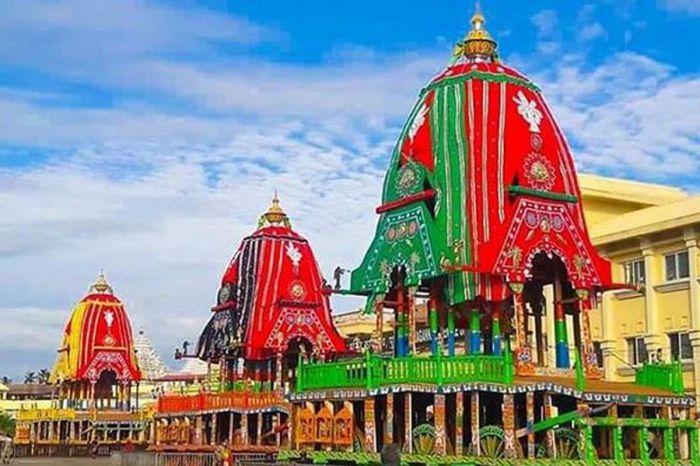
India’s Tirth Yatras, or pilgrimage journeys, are poised for significant growth in 2025. This exploration delves into the anticipated surge in popularity, examining the diverse offerings—from deeply spiritual experiences to culturally enriching adventures—and the factors driving this trend. We will analyze the infrastructure challenges and opportunities, the role of technology in enhancing the pilgrim experience, and the importance of sustainable tourism practices.
This overview aims to provide a comprehensive understanding of this evolving aspect of Indian travel.
The increasing accessibility of information and improved transportation networks are expected to contribute to the rise in Tirth Yatra participation. Moreover, a growing interest in spiritual and cultural heritage, coupled with a desire for meaningful travel experiences, is fueling this trend. We’ll also consider how Tirth Yatras compare to other forms of Indian tourism, highlighting the unique aspects that make them so compelling.
Tirth Yatra India 2025
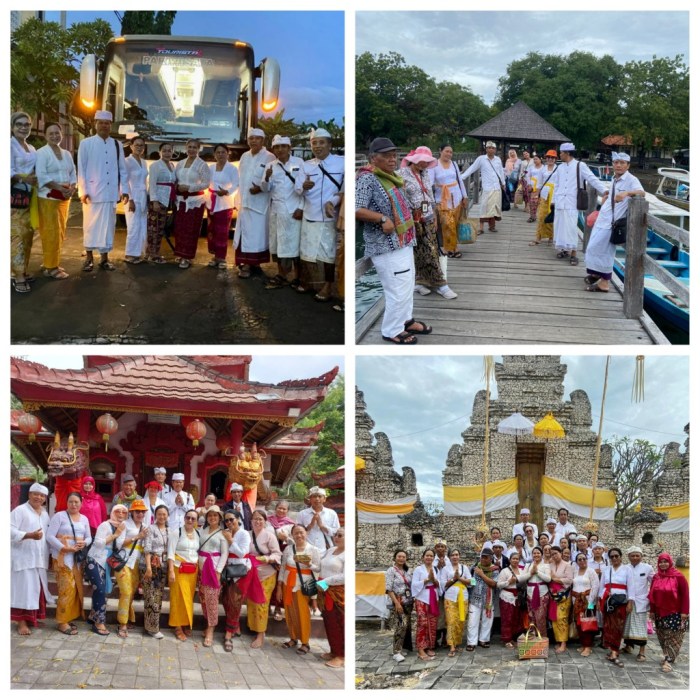
The year 2025 promises a significant surge in the popularity of Tirth Yatras across India. Post-pandemic pent-up demand, coupled with increasing disposable incomes and improved infrastructure, are key drivers fueling this anticipated growth. This resurgence reflects a renewed focus on spiritual journeys and cultural exploration among a large segment of the Indian population.
Anticipated Growth and Popularity of Tirth Yatras in 2025
The Indian pilgrimage tourism sector is poised for substantial expansion in 2025. Experts predict a double-digit percentage increase in the number of pilgrims compared to pre-pandemic levels. This growth is fueled by factors such as improved accessibility to remote pilgrimage sites, the rise of customized travel packages catering to diverse needs and budgets, and a growing interest in spiritual and wellness tourism.
For example, the Char Dham Yatra in Uttarakhand, already immensely popular, is expected to see a significant rise in visitors due to infrastructural improvements and better accessibility. Similarly, the Amarnath Yatra is anticipated to witness a considerable increase in participation.
Major Pilgrimage Destinations Expected to See Increased Visitor Numbers
Several key pilgrimage sites are expected to experience a surge in visitor numbers in 2025. These include the Char Dham Yatra (Badrinath, Kedarnath, Gangotri, and Yamunotri) in Uttarakhand, the Amarnath Yatra in Jammu and Kashmir, the Vaishno Devi Yatra in Jammu and Kashmir, the Sabarimala Ayyappan Temple in Kerala, and various significant religious sites in Varanasi, Mathura, and Ayodhya.
The increase is driven by a combination of factors, including improved infrastructure, government initiatives to promote religious tourism, and increased awareness through various media channels.
Comparison of Different Types of Tirth Yatras
Tirth Yatras in India encompass a wide spectrum of experiences. Religious Tirth Yatras focus on visiting sacred sites and participating in religious ceremonies, often involving specific rituals and practices. Cultural Tirth Yatras, while often intertwined with religious aspects, emphasize exploring the rich cultural heritage associated with a particular region or site, including historical monuments, local traditions, and art forms.
Adventurous Tirth Yatras combine spiritual journeys with physically challenging activities such as trekking, mountaineering, or river rafting, appealing to a more adventurous demographic. For instance, a pilgrimage to Kailash Mansarovar offers a challenging yet spiritually enriching journey, blending religious devotion with high-altitude trekking.
Key Factors Influencing the Choice of Tirth Yatra
Several factors influence an individual’s choice of Tirth Yatra in 2025. These include personal religious beliefs and preferences, the accessibility and infrastructure at the chosen destination, the cost and availability of travel packages, the duration of the journey, and the level of comfort and convenience offered. The influence of family and social circles also plays a significant role, with many choosing destinations based on recommendations and shared experiences.
Furthermore, the availability of customized packages catering to specific needs and preferences, such as senior-citizen-friendly tours or family-oriented packages, significantly impacts the decision-making process.
Religious Pilgrimage Aspects of Tirth Yatra 2025
Tirth Yatras, religious pilgrimages in India, hold immense spiritual significance for millions. These journeys aren’t merely tourist trips; they represent a deep connection with faith, tradition, and personal devotion. The experience often involves intense spiritual reflection, communal worship, and a profound sense of connection with a larger divine purpose. The choice of destination and the way the pilgrimage is undertaken vary significantly depending on individual beliefs and practices.
Significance of Specific Religious Sites
The selection of sites for a Tirth Yatra is driven by their religious importance. For example, a pilgrimage to Varanasi, on the banks of the Ganges, is considered highly auspicious by Hindus, as it’s believed to be one of the holiest cities in the world. The act of bathing in the Ganges and performing rituals at the ghats is seen as a way to purify oneself and attain moksha (liberation).
Similarly, a visit to the Golden Temple in Amritsar holds profound significance for Sikhs, symbolizing their faith’s central tenets of equality, service, and devotion. The pilgrimage includes participating in the Langar (community kitchen) and witnessing the Palki Sahib procession. The Char Dham Yatra in Uttarakhand, encompassing Yamunotri, Gangotri, Kedarnath, and Badrinath, is a challenging but deeply rewarding journey for many Hindus, as each site is associated with specific deities and sacred stories.
Religious Practices and Rituals Associated with Pilgrimages
Religious practices during Tirth Yatras are varied and deeply personal. Many pilgrims engage in specific rituals, such as performing aarti (prayer ritual with lights), offering prayers and donations at temples, participating in religious processions, and chanting mantras. The act of visiting a sacred site itself is considered a form of worship, and many pilgrims spend time in meditation and reflection.
Fasting is common during the pilgrimage, as is the practice of offering prayers and performing acts of charity. The rituals are often performed under the guidance of priests or religious leaders, ensuring the correct procedures are followed and the spiritual significance is fully understood.
Comparison of Experiences Offered by Different Religious Organizations
Several religious organizations and tour operators cater to the needs of pilgrims undertaking Tirth Yatras. The experiences offered vary significantly in terms of cost, accommodation, transportation, and the level of religious guidance provided. Some organizations offer luxurious accommodations and personalized services, while others focus on budget-friendly options that prioritize spiritual experience over material comfort. Some organizations offer guided tours with religious scholars providing insights into the history and significance of the sites visited, while others allow pilgrims more independent exploration.
The choice of organization depends on individual preferences and budget. For example, a luxury tour might include private transportation and five-star hotels, while a budget tour might utilize public transportation and basic guesthouses.
Detailed Itinerary for a Tirth Yatra to Varanasi
This itinerary Artikels a 5-day Tirth Yatra to Varanasi:
| Day | Activity | Accommodation | Transportation |
|---|---|---|---|
| 1 | Arrival in Varanasi, check-in to hotel, evening Ganga Aarti ceremony at Dashashwamedh Ghat. | Hotel BrijRama Palace (Luxury) or similar | Airport transfer by pre-booked car |
| 2 | Morning boat ride on the Ganges, visit Kashi Vishwanath Temple, explore local markets. | Same as Day 1 | Local boat and walking |
| 3 | Visit Sarnath, the place where Buddha delivered his first sermon, afternoon at a local ashram for meditation. | Same as Day 1 | Pre-booked car |
| 4 | Attend a morning prayer ceremony, visit other significant ghats, explore the city’s ancient streets. | Same as Day 1 | Walking and rickshaw |
| 5 | Departure from Varanasi. | N/A | Airport transfer by pre-booked car |
Tirth Yatra 2025
The success of Tirth Yatra 2025 hinges not only on the spiritual significance of the pilgrimage sites but also on the robust infrastructure and seamless logistics supporting millions of devotees. Effective planning and execution are crucial to ensure a safe, comfortable, and enriching experience for all participants. This section delves into the infrastructural challenges and opportunities, the role of technology, and the importance of sustainable tourism practices in shaping a successful and responsible Tirth Yatra.
Infrastructure and Logistics Challenges and Opportunities
Managing the sheer volume of pilgrims during peak seasons presents significant infrastructural challenges. Overcrowding at sacred sites, inadequate sanitation facilities, limited accommodation options, and insufficient transportation networks can lead to discomfort, delays, and even safety concerns. Opportunities lie in upgrading existing infrastructure, developing new facilities, and implementing efficient crowd management strategies. For instance, the expansion of existing railway lines and the construction of new roads leading to major pilgrimage sites can significantly alleviate transportation bottlenecks.
Similarly, investments in improved sanitation facilities and the development of eco-friendly accommodation options will enhance the overall pilgrim experience and minimize environmental impact. Strategic partnerships between government agencies, private sector companies, and local communities are essential for effective resource allocation and project implementation.
Technology’s Role in Enhancing the Tirth Yatra Experience
Technology plays a crucial role in streamlining the Tirth Yatra experience. Online booking systems for transportation, accommodation, and darshan (religious viewing) can significantly reduce wait times and improve efficiency. Mobile applications providing real-time information on crowd density, transportation schedules, and emergency services can empower pilgrims with greater control and peace of mind. Digital platforms can also facilitate communication between pilgrims, organizers, and support services, enabling quick responses to any unforeseen circumstances.
For example, a mobile app could provide a map of the pilgrimage route, real-time updates on traffic conditions, and contact information for emergency services. This enhances safety and ensures a more efficient and enjoyable journey for pilgrims.
Sustainable Tourism Practices and Environmental Impact
The environmental impact of large-scale Tirth Yatras cannot be ignored. Waste management, water conservation, and the preservation of natural resources are critical considerations. Sustainable tourism practices, such as promoting the use of public transport, reducing plastic waste, and encouraging responsible behavior among pilgrims, are crucial for minimizing the environmental footprint. Implementing waste segregation and recycling programs at pilgrimage sites, along with educating pilgrims about environmental conservation, can significantly reduce pollution.
Investing in renewable energy sources for powering facilities at pilgrimage sites can further contribute to environmental sustainability. For instance, the implementation of a comprehensive waste management system at the Kumbh Mela, involving waste segregation, composting, and recycling, drastically reduced the environmental impact of this massive gathering.
Promoting Responsible Tourism in Tirth Yatras
A promotional campaign highlighting responsible tourism can significantly influence pilgrim behavior and contribute to a more sustainable and enriching experience. The campaign could utilize various media channels, including social media, print advertisements, and public service announcements, to disseminate information about responsible travel practices. The campaign could feature compelling visuals and testimonials from pilgrims who have embraced responsible tourism, showcasing the positive impact on both the environment and the community.
It could also highlight initiatives undertaken by local communities to promote sustainable tourism and encourage pilgrims to participate in these initiatives. For example, the campaign could promote the use of eco-friendly transportation options, encourage pilgrims to carry reusable water bottles and avoid single-use plastics, and highlight the importance of respecting local customs and traditions. The campaign should emphasize the positive impact of responsible tourism on both the environment and the local communities.
Comparing Tirth Yatra with Other Travel Styles in 2025
Tirth Yatra, a pilgrimage journey, offers a unique travel experience deeply rooted in spiritual and cultural practices, contrasting sharply with other tourism styles. While other forms of travel prioritize leisure, adventure, or learning, Tirth Yatra emphasizes introspection, devotion, and connection with a higher power. This comparison will highlight the distinct characteristics of Tirth Yatra and various other travel experiences available in India in 2025.
Tirth Yatra Compared to Wildlife Watching Tours
Wildlife watching tours focus on observing animals in their natural habitats, emphasizing adventure and photography. The experience is often characterized by early mornings, long drives, and potentially challenging terrains. Conversely, Tirth Yatra involves visits to sacred sites, temples, and places of religious significance. The focus is on spiritual reflection, ritual participation, and connecting with religious beliefs. While both may involve travel to remote locations, the motivations, activities, and overall atmosphere differ significantly.
Wildlife tours prioritize observation and documentation of fauna, while Tirth Yatra prioritizes spiritual enrichment and religious observance.
Tirth Yatra Compared to Winter Sports Trips
Winter sports trips in India, concentrated in the Himalayas, emphasize physical activity and thrill-seeking. Activities include skiing, snowboarding, and ice skating. The environment is characterized by cold temperatures, snow-covered landscapes, and a focus on physical exertion. A Tirth Yatra, on the other hand, often involves less physical exertion, with a focus on contemplation and religious rituals. The environment may be diverse, ranging from mountainous regions to plains, but the emphasis remains on spiritual practices and religious devotion rather than physical challenges.
The primary goal is spiritual growth, not athletic achievement.
Tirth Yatra Compared to Island Hopping Tours
Island hopping tours in India showcase the country’s diverse coastal regions, highlighting beaches, watersports, and island cultures. The experience emphasizes relaxation, exploration of diverse landscapes, and enjoyment of marine life. Tirth Yatra, however, often focuses on inland destinations, with religious sites and temples as the central attractions. The emphasis is on spiritual growth and cultural immersion within a religious context.
While both may involve travel and cultural exploration, the motivations and activities differ greatly. Island hopping prioritizes leisure and exploration of natural beauty, whereas Tirth Yatra prioritizes religious devotion and spiritual enrichment.
Tirth Yatra Compared to Voluntourism Opportunities
Voluntourism combines travel with volunteering, offering opportunities to contribute to local communities while experiencing a new culture. The focus is on making a positive impact and gaining cross-cultural experience. Tirth Yatra, while often involving cultural immersion, primarily focuses on personal spiritual growth and religious practices. The volunteer’s motivation is to help others, whereas the pilgrim’s motivation is self-improvement through religious practice.
Both may involve interaction with local communities, but the primary goals are fundamentally different.
Tirth Yatra Compared to Photography Tours
Photography tours focus on capturing stunning images of landscapes, wildlife, or cultural sites. The experience prioritizes aesthetic appreciation and photographic skill development. Tirth Yatra, while potentially offering opportunities for visually compelling photography, emphasizes spiritual reflection and religious observance. The focus is on the spiritual journey, not the creation of photographic art. While both may involve travel to scenic or culturally rich locations, the priorities and outcomes are vastly different.
Tirth Yatra Compared to Festival Travel Experiences
Festival travel experiences involve attending cultural or religious festivals, immersing oneself in local traditions and celebrations. The focus is on experiencing vibrant cultural events and engaging with local communities. Tirth Yatra often coincides with religious festivals at specific pilgrimage sites, but its focus is on personal spiritual practices rather than simply observing the festivities. Both experiences involve cultural immersion, but the motivations differ.
Festival travel is about participation in celebrations, while Tirth Yatra is about personal spiritual growth within a religious framework.
Tirth Yatra Compared to Desert Expeditions
Desert expeditions in India focus on exploring arid landscapes, often involving camel safaris, jeep tours, and overnight stays in desert camps. The experience emphasizes adventure, exploration, and experiencing the unique beauty of desert environments. Tirth Yatra, while sometimes taking pilgrims to arid regions containing religious sites, prioritizes spiritual practices over adventure. The focus is on religious devotion, not physical challenges or exploration of the landscape itself.
Tirth Yatra Compared to Underwater Adventures
Underwater adventures, such as scuba diving or snorkeling, emphasize exploring marine environments and experiencing the underwater world. The focus is on adventure, discovery, and interaction with marine life. Tirth Yatra has no direct connection to underwater activities; its focus is entirely land-based and centered on religious practices and spiritual development.
Tirth Yatra Compared to Art and Architecture Tours
Art and architecture tours focus on appreciating artistic and architectural masterpieces. The experience emphasizes aesthetic appreciation, learning about different art styles, and understanding historical contexts. Tirth Yatra often involves visiting sites with significant architectural and artistic elements, but the primary focus remains on religious significance and spiritual reflection, not artistic analysis or historical study. While both may involve visiting culturally and historically rich sites, the emphasis and motivation differ substantially.
Visual Representation of Tirth Yatra 2025
A visual representation of Tirth Yatra in 2025 necessitates capturing the multifaceted nature of these pilgrimages, encompassing the diverse sights, sounds, and spiritual atmosphere experienced by millions across India. This section aims to provide a detailed sensory experience of a typical Tirth Yatra, highlighting its visual and cultural richness.
A Scene from the Kumbh Mela
The Kumbh Mela, a massive religious gathering, offers a breathtaking spectacle. Imagine a vast expanse of the Sangam, the confluence of the Ganges, Yamuna, and mythical Saraswati rivers, teeming with millions of saffron-robed pilgrims. The air vibrates with the chanting of mantras, the rhythmic beating of drums, and the cacophony of a multitude of voices. The vibrant colors of the sadhus’ (holy men) ochre robes contrast sharply with the shimmering white of the flowing rivers.
The scent of incense and the earthy smell of the riverbank mingle with the aroma of street food being prepared. Thousands of temporary structures create a sprawling city of tents and makeshift stalls, bustling with activity. The sheer scale of the event is overwhelming, a sea of humanity united in faith and devotion. The sun beats down, creating a shimmering haze over the crowd, while the energy of the event is palpable, a potent mix of spiritual fervor and communal celebration.
The Significance of the Dhoti
The dhoti, a traditional garment worn by men across India, holds particular significance during many Tirth Yatras. For example, during the Char Dham Yatra in Uttarakhand, many pilgrims opt for a simple white cotton dhoti. The white color symbolizes purity and renunciation, representing a detachment from worldly possessions. The dhoti is typically unstitched, a single piece of cloth wrapped around the waist and legs.
The fabric itself is often lightweight and breathable, suitable for the often challenging weather conditions encountered during these pilgrimages. The simplicity of the garment reflects a focus on spiritual pursuits rather than material adornment, underscoring the pilgrims’ dedication to their religious journey.
A Typical Tirth Yatra Meal
A typical meal during a Tirth Yatra often consists of simple, easily prepared, and vegetarian fare. Khichdi, a comforting dish of rice and lentils cooked together, is a staple. It is nutritious, filling, and can be easily prepared en masse for large groups. Other common dishes include roti (flatbread) with dal (lentil soup) and sabzi (vegetable curry).
These dishes are often cooked using local ingredients, reflecting the regional variations in cuisine across India. The focus is on providing sustenance and energy for the pilgrims, rather than elaborate culinary creations. Meals are often shared communally, fostering a sense of unity and camaraderie amongst the travelers. Simple, refreshing drinks like buttermilk or lassi (yogurt drink) are also commonly consumed.
Visual Representation of the Golden Temple, Amritsar
The Golden Temple, Harmandir Sahib, in Amritsar, Punjab, is a visually stunning architectural masterpiece. Imagine a large, shimmering golden structure, reflecting the sunlight, surrounded by a serene pool of water called the Amrit Sarovar. The temple’s intricate details, ornate carvings, and gleaming gold leaf create a sense of awe and majesty. The reflection of the building in the still water adds to its ethereal beauty.
The surrounding area is bustling with activity, with pilgrims circumambulating the temple, their faces reflecting a mixture of peace and devotion. The architectural style is a blend of Mughal and Sikh traditions, showcasing a unique cultural synthesis. The vastness of the complex, including the Langar (community kitchen) where thousands are fed daily, and the serene atmosphere contribute to its iconic status as a major pilgrimage site.
Epilogue
As we conclude our examination of Tirth Yatra India 2025, it’s clear that this sector is poised for dynamic growth. The blend of spiritual significance, cultural richness, and the potential for sustainable tourism creates a unique and compelling travel experience. Addressing infrastructure challenges and leveraging technology will be key to ensuring a positive impact on both pilgrims and the environment.
The future of Tirth Yatras promises a vibrant and evolving landscape for both domestic and international travelers seeking meaningful and enriching journeys.
Expert Answers
What are the common health concerns during a Tirth Yatra?
Common concerns include altitude sickness (for high-altitude pilgrimages), heatstroke (during hot seasons), and hygiene-related illnesses. Proper planning, including vaccinations and necessary precautions, is crucial.
What is the best time of year to undertake a Tirth Yatra?
The ideal time varies depending on the destination and climate. Generally, avoiding monsoon season and extreme heat or cold is recommended. Researching the specific climate of your chosen destination is essential.
How can I ensure a safe and secure Tirth Yatra?
Travel with reputable tour operators, inform family and friends of your itinerary, maintain awareness of your surroundings, and take necessary safety precautions for your health and belongings.
Are there Tirth Yatras suitable for families with children?
Yes, many Tirth Yatras offer family-friendly options. Choosing shorter itineraries and destinations with suitable accommodations for children is recommended.