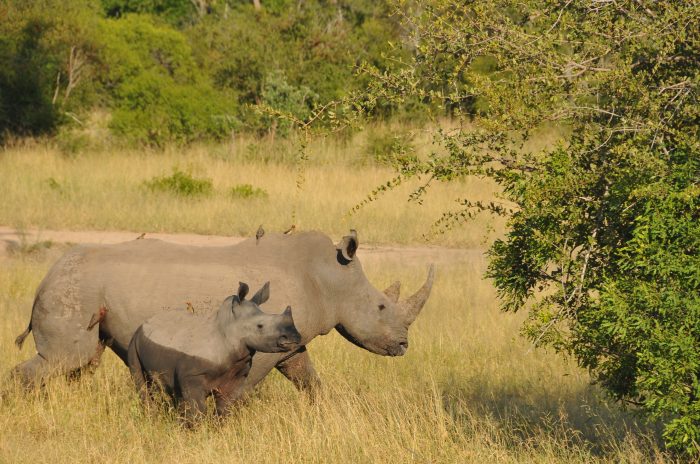
Safari wildlife watching in 2025 promises a transformative experience, blending traditional adventure with cutting-edge technology and a renewed focus on sustainability. Anticipated growth in the sector is driven by increasing global interest in ecotourism and unique travel experiences. This exploration delves into the key trends shaping the future of safaris, examining technological advancements, conservation efforts, and the diverse range of experiences available to travelers.
From drone-enhanced game viewing and immersive VR experiences to community-based conservation initiatives and the rise of sustainable tourism practices, the future of safari wildlife watching is dynamic and exciting. We will analyze the shifting popularity of various safari destinations, considering factors such as accessibility and conservation success, while comparing luxury and budget-friendly options. The impact of technology, the importance of conservation, and the evolution of the overall safari experience will be thoroughly examined.
Safari Wildlife Watching Trends in 2025
The safari wildlife watching industry is poised for significant change in 2025, driven by evolving traveler preferences, technological advancements, and a growing awareness of environmental sustainability. While predicting precise figures is challenging, a continued, albeit perhaps slower, growth in the sector is anticipated, particularly in niche areas focusing on unique experiences and responsible travel. This growth will not be uniform across all destinations, however, as factors like conservation success and accessibility play crucial roles.
Anticipated Growth and Decline in Safari Tourism
The overall growth of safari tourism in 2025 is expected to be moderate, influenced by global economic conditions and the ongoing impact of climate change on wildlife populations and habitats. While popular destinations like Tanzania and Kenya are likely to maintain their strong positions, we can expect to see a shift towards less-visited regions, especially those with robust conservation initiatives and a focus on community involvement.
For example, certain regions in Botswana, known for their strong anti-poaching measures and commitment to community-based tourism, might experience disproportionately higher growth compared to areas struggling with poaching or habitat degradation. Conversely, destinations with poor conservation practices or limited accessibility might experience a decline in visitor numbers as tourists become more discerning.
Emerging Trends Shaping the Safari Experience
Several key trends will redefine the safari experience in 2025. Firstly, a rise in demand for bespoke and personalized itineraries is expected. Travelers are increasingly seeking unique, tailored experiences that go beyond the standard safari package, focusing on specific interests like birdwatching, photography, or specific animal encounters. Secondly, technology will play a greater role, with augmented reality (AR) apps offering enhanced wildlife identification and information, and drones providing breathtaking aerial perspectives of landscapes and wildlife.
Imagine an AR app overlaying information about the animal’s behavior, habitat, and conservation status directly onto your viewfinder as you observe a lion pride. Thirdly, a greater emphasis on wellness and relaxation will be evident, with luxurious lodges offering spa treatments and yoga retreats alongside wildlife viewing, creating a holistic travel experience.
Impact of Sustainable Tourism Practices
Sustainable tourism practices will be pivotal in shaping the future of the safari industry in 2025. Operators prioritizing ethical practices, such as minimizing environmental impact, supporting local communities, and contributing to conservation efforts, will attract a growing segment of environmentally conscious travelers. This will manifest in a preference for lodges and tour operators with demonstrable certifications and commitments to sustainability.
For instance, lodges investing in renewable energy, employing local staff, and contributing to anti-poaching initiatives will gain a competitive advantage. The increasing availability of carbon offsetting programs will also influence traveler choices, with many seeking to mitigate the environmental footprint of their safari.
Comparison of Safari Destinations
In 2025, the popularity of different safari destinations will depend on a complex interplay of factors. Easily accessible locations with well-developed infrastructure, such as those in East Africa, will continue to be popular, but destinations prioritizing conservation and offering unique wildlife experiences will also attract a significant share of the market. For example, while the Serengeti in Tanzania remains a highly sought-after destination due to its accessibility and abundance of wildlife, Botswana’s Okavango Delta, known for its unique ecosystem and commitment to responsible tourism, is likely to see increasing popularity among discerning travelers.
Conversely, destinations with limited infrastructure or facing significant conservation challenges may see a decline in visitor numbers, highlighting the crucial link between responsible tourism and long-term sustainability.
Technological Advancements in Safari Wildlife Watching
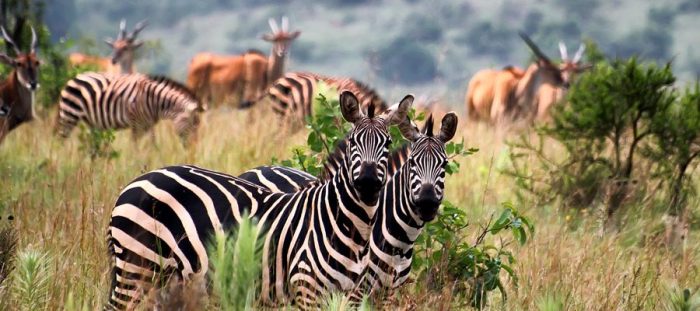
The integration of technology is rapidly transforming the safari experience, offering tourists unprecedented opportunities to observe and interact with wildlife while minimizing environmental impact. From enhancing wildlife identification to providing immersive virtual experiences, technological advancements are shaping the future of safari tourism in 2025 and beyond. This section will explore several key technological innovations and their impact on the safari industry.
Drone Technology’s Enhancement of Safari Experiences
Drone technology offers a unique perspective on wildlife, allowing for breathtaking aerial footage and unobtrusive observation of animals in their natural habitat. High-resolution cameras equipped on drones can capture stunning images and videos of wildlife from a safe distance, avoiding disturbance and providing tourists with incredible views otherwise impossible to obtain. Furthermore, thermal imaging capabilities on drones can help researchers and guides locate animals at night or in dense vegetation, enriching the safari experience by increasing the chances of spotting elusive creatures.
The data collected from drones, such as animal counts and movement patterns, can also contribute significantly to conservation efforts. For example, anti-poaching initiatives are already using drones to monitor wildlife populations and detect illegal activities in protected areas.
The Role of Virtual and Augmented Reality in Safari Experiences
Virtual Reality (VR) and Augmented Reality (AR) are poised to revolutionize the safari experience by providing immersive and interactive encounters with wildlife. VR can transport tourists to remote locations, allowing them to experience a safari from the comfort of their homes or hotels, especially beneficial for individuals with limited mobility. AR, on the other hand, can overlay digital information onto the real-world view, enhancing the safari experience in real-time.
Imagine pointing your smartphone at a giraffe and receiving instant information about its species, habitat, and behavior – this is the power of AR in the context of safari tourism. Companies are already developing AR apps that provide real-time identification of animals and plants during a safari.
Innovative Mobile Applications for Wildlife Identification and Tracking
A plethora of innovative mobile applications are emerging to improve wildlife identification and tracking during safaris. These apps utilize image recognition technology, GPS tracking, and extensive databases to provide users with real-time information about the animals they observe. For example, some apps can identify animal species based on a photograph, providing detailed information about their characteristics and behavior.
Others offer interactive maps that display the location of animals spotted by other users, helping tourists plan their safari routes effectively. Furthermore, certain applications allow users to contribute to citizen science projects by logging their wildlife sightings, providing valuable data for conservation research.
Comparison of Technologies Used in Safari Wildlife Watching
| Technology | Advantages | Disadvantages | Cost |
|---|---|---|---|
| Drones | Unparalleled aerial views, unobtrusive observation, data collection for conservation | High initial investment, regulatory restrictions, potential for wildlife disturbance if misused | High |
| VR | Accessibility for those with mobility issues, immersive experience, educational potential | Requires specialized equipment, potential for motion sickness, limited real-world interaction | Medium |
| AR | Real-time information overlay, enhanced identification, interactive learning | Reliance on smartphone technology, potential for technical glitches, data accuracy depends on database | Low |
| Mobile Apps | Easy access to information, wildlife identification, citizen science contribution | Requires internet connectivity, accuracy depends on database and image quality, potential for privacy concerns | Low |
Conservation and Sustainability in Safari Wildlife Watching
The future of safari wildlife watching hinges on its ability to balance the economic benefits it provides with the crucial need for environmental protection and the well-being of local communities. Sustainable practices are no longer optional; they are essential for the long-term viability of this industry and the preservation of the incredible wildlife it showcases. This section will explore key aspects of conservation and sustainability within the safari context.
Community-Based Conservation Initiatives
Community involvement is paramount to successful safari tourism. When local populations directly benefit from conservation efforts, they become invested stakeholders, actively participating in protecting wildlife and their habitats. This approach fosters a sense of ownership and responsibility, leading to more effective anti-poaching measures, sustainable land management practices, and a reduction in human-wildlife conflict. For example, the Maasai Mara National Reserve in Kenya has successfully integrated local Maasai communities into its management structure, allowing them to benefit financially from tourism while actively contributing to wildlife protection.
Their deep understanding of the land and its wildlife is invaluable in creating a sustainable coexistence. This model empowers communities and creates a powerful incentive for conservation, moving beyond simply protecting animals to protecting livelihoods.
Ecotourism’s Role in Promoting Sustainable Practices
Ecotourism, by its very definition, prioritizes responsible travel that minimizes environmental impact and benefits local communities. Within the safari industry, this translates to responsible wildlife viewing practices, minimizing disturbance to animals, supporting locally owned businesses, and ensuring that tourism revenue directly contributes to conservation efforts. Ecotourism operators often invest in environmental education programs, work to reduce their carbon footprint through sustainable transportation and energy use, and actively participate in habitat restoration projects.
For instance, lodges and camps that utilize solar power, source food locally, and employ local guides demonstrate a strong commitment to ecotourism principles. This approach not only protects the environment but also fosters a more authentic and enriching experience for tourists.
Minimizing the Environmental Impact of Safari Vehicles and Tourist Activities
Minimizing the impact of safari vehicles and tourist activities requires a multi-pronged approach. This includes transitioning to more fuel-efficient vehicles, possibly incorporating electric or hybrid options where feasible, and implementing strict guidelines for vehicle operation near wildlife, minimizing noise and disturbance. Limiting the number of tourists per vehicle and per area, employing trained guides who prioritize animal welfare, and promoting responsible wildlife viewing behavior amongst tourists are all crucial steps.
Furthermore, careful management of waste, responsible water usage, and the avoidance of disturbing nesting sites or sensitive habitats are essential. Investing in infrastructure improvements, such as improved waste management systems and eco-friendly sanitation facilities, further contributes to reducing the overall environmental footprint. The implementation of these measures ensures that the safari experience remains enjoyable while minimizing negative impacts on the delicate ecosystem.
Successful Wildlife Conservation Projects Linked to Safari Tourism Revenue
Numerous successful wildlife conservation projects demonstrate the positive impact of safari tourism revenue. For example, the revenue generated by gorilla trekking tourism in Rwanda has been directly invested in gorilla conservation efforts, including anti-poaching patrols, habitat protection, and community development programs. This has led to a significant increase in the gorilla population. Similarly, the revenue from national park entrance fees and tourism activities in many African countries is often channeled back into park management, anti-poaching initiatives, and community development projects, directly benefiting wildlife and the local people who live alongside them.
These examples showcase how carefully managed safari tourism can act as a powerful catalyst for successful conservation outcomes, creating a virtuous cycle where both wildlife and local communities thrive.
Safari Wildlife Watching Experiences
Choosing a safari experience depends heavily on individual preferences and budget. From luxurious lodges offering unparalleled comfort to more budget-conscious options emphasizing wildlife encounters, the diversity of experiences is vast. Understanding the differences between these options, along with the various activities available, will help you plan an unforgettable African adventure.
Luxury versus Budget-Friendly Safari Experiences
Luxury safaris offer unparalleled comfort and personalized service. Think opulent lodges with private plunge pools, gourmet meals prepared by renowned chefs, and dedicated guides ensuring a bespoke experience. Expect high levels of personalized service, including pre-arranged activities and perhaps even a private vehicle. Conversely, budget-friendly safaris prioritize affordability, focusing on the core wildlife viewing experience. Accommodation may be more basic, meals less elaborate, and group sizes larger, but the opportunity to witness incredible wildlife remains the central focus.
The cost difference can be significant, with luxury options potentially costing several times more than budget alternatives. The choice ultimately depends on your priorities – unparalleled comfort and personalized service versus a more affordable but still rewarding experience.
Safari Activities and Their Unique Appeal
A variety of activities enhances the safari experience. Game drives, the cornerstone of most safaris, offer a thrilling opportunity to observe wildlife from the comfort of an open-topped vehicle. Walking safaris provide an intimate connection with the bush, allowing for detailed observation of smaller animals and plants, often led by expert trackers. Hot air balloon safaris provide breathtaking panoramic views of the landscape and its inhabitants, creating a truly unforgettable experience.
Night drives allow for viewing nocturnal animals, revealing a different side of the African wilderness. Boat safaris, particularly on rivers and lakes, offer unique perspectives on wildlife, especially hippopotamuses and aquatic birds. Each activity offers a distinct perspective and level of engagement with the African environment.
Guided versus Self-Drive Safari Options
Guided safaris provide the expertise of experienced guides who possess intimate knowledge of the local wildlife, flora, and landscapes. They can identify animal tracks, predict animal behavior, and share fascinating insights into the ecosystem. This expertise significantly enhances the overall experience. Self-drive safaris, however, offer greater flexibility and independence. They allow for exploring at your own pace and visiting locations less frequented by guided tours.
However, they require a thorough understanding of the region, navigational skills, and a high level of self-sufficiency. The choice depends on your comfort level with navigating unfamiliar terrain and your desire for a structured or independent experience.
African Safari Destinations: Pros and Cons
Choosing the right destination is crucial for a successful safari.
- Tanzania: Pros: Abundant wildlife, including the Serengeti’s Great Migration; iconic landscapes. Cons: Can be expensive; requires more travel time to reach some areas.
- Kenya: Pros: Diverse landscapes, excellent infrastructure, wide range of safari options. Cons: Can be crowded in popular areas; higher risk of encountering human-wildlife conflict.
- South Africa: Pros: Well-developed tourism infrastructure, diverse ecosystems (Kruger National Park, etc.), good value for money. Cons: Wildlife density can be lower than in East Africa in some areas.
- Botswana: Pros: Stunning landscapes, exclusive safari experiences, high wildlife density. Cons: Expensive; less developed infrastructure in some areas.
- Namibia: Pros: Unique desert landscapes, excellent opportunities for wildlife viewing and photography. Cons: Fewer animals than other regions; focus is often on desert-adapted species.
Comparative Analysis of Travel Styles
Safari wildlife watching, while a lucrative niche market, occupies a specific space within the broader tourism landscape. Comparing it to other specialized travel sectors reveals interesting parallels and significant distinctions, highlighting its unique appeal and challenges. This analysis explores these contrasts across several popular travel styles.
Safari Wildlife Watching Compared to Religious Pilgrimages
Safari wildlife watching and religious pilgrimages, while seemingly disparate, share some surprising similarities. Both cater to a deeply motivated clientele driven by powerful personal beliefs – a desire for spiritual connection in the case of pilgrimages, and a yearning for connection with the natural world in the case of safaris. Marketing strategies, however, differ significantly. Religious pilgrimages often rely on established faith-based networks and community outreach, while safari marketing emphasizes adventure, photography, and unique wildlife encounters, often targeting affluent individuals through luxury travel agencies.
Environmental Impact of Safari Wildlife Watching and Winter Sports Trips
Both safari wildlife watching and winter sports trips have potential environmental impacts. Winter sports, particularly skiing and snowboarding, often involve significant habitat alteration through infrastructure development and contribute to carbon emissions through travel and energy consumption. Safari tourism, if not managed sustainably, can lead to habitat degradation, wildlife disturbance, and increased pollution. However, the nature of the impact differs: winter sports often directly alter the landscape, while safari tourism’s impact is more diffuse, relating to waste management, vehicle emissions, and the potential for human-wildlife conflict.
Sustainable practices, such as responsible waste disposal and eco-friendly transportation, are crucial for mitigating the environmental footprint of both.
Trip Planning and Logistics: Safari Wildlife Watching vs. Island Hopping
Safari wildlife watching and island hopping require distinct planning approaches. Safaris involve navigating vast, often remote areas, requiring meticulous logistical coordination, including vehicle arrangements, accommodation bookings in often-limited-capacity lodges, and adherence to park regulations. Island hopping, conversely, typically involves a greater degree of flexibility, with readily available transportation options between islands and a wider range of accommodation choices.
The focus shifts from navigating vast wilderness to managing multiple island destinations and coordinating inter-island travel.
Motivations and Experiences: Safari Wildlife Watching and Voluntourism
Safari wildlife watching and voluntourism share a common thread: a desire to engage with the natural world. However, the motivations differ. Safari participants primarily seek an immersive wildlife viewing experience, prioritizing observation and photography. Voluntourism combines travel with contributing to conservation efforts, involving direct participation in projects such as habitat restoration or anti-poaching initiatives. The experience is thus less about passive observation and more about active contribution.
Photography Opportunities and Skill Levels: Safari Wildlife Watching and Photography Tours
While both safari wildlife watching and dedicated photography tours offer exceptional photographic opportunities, the focus and skill levels required differ. Safari photography necessitates patience, adaptability, and the ability to capture wildlife in challenging natural light conditions. Dedicated photography tours often provide structured learning opportunities, focusing on specific techniques and styles, such as landscape or macro photography. The level of photographic expertise expected is generally higher in dedicated photography tours than in general safari trips.
Seasonal Aspects and Cultural Experiences: Safari Wildlife Watching and Festival Travel
Safari wildlife watching and festival travel both exhibit strong seasonal variations. Safaris are often timed to coincide with animal migration patterns or breeding seasons, leading to concentrated periods of high activity. Festival travel, naturally, is dictated by the festival calendar, resulting in peaks during specific times of the year. Cultural immersion differs significantly. Safaris provide opportunities for interaction with local communities and learning about their relationship with wildlife, while festival travel immerses participants directly into a specific cultural event, with traditions and celebrations as the central focus.
Logistical Challenges and Environmental Concerns: Safari Wildlife Watching and Desert Expeditions
Both safari wildlife watching and desert expeditions present significant logistical challenges. Safaris involve navigating challenging terrain, dealing with potential wildlife encounters, and ensuring access to essential supplies. Desert expeditions demand meticulous planning to manage extreme temperatures, water scarcity, and navigation in vast, often featureless landscapes. Environmental concerns overlap, including responsible waste management, minimizing disturbance to fragile ecosystems, and leaving no trace.
Equipment and Skill Sets: Safari Wildlife Watching and Underwater Adventures
Safari wildlife watching and underwater adventures necessitate distinct equipment and skill sets. Safaris require appropriate clothing for varying weather conditions, binoculars, cameras, and potentially specialized safari vehicles. Underwater adventures demand specialized equipment such as scuba gear, wetsuits, and underwater cameras, along with certifications and training in diving techniques. The physical demands also differ, with underwater activities requiring higher levels of physical fitness and comfort in aquatic environments.
Educational and Cultural Aspects: Safari Wildlife Watching and Art and Architecture Tours
Safari wildlife watching and art and architecture tours offer contrasting educational and cultural experiences. Safaris provide insights into wildlife ecology, conservation challenges, and the relationship between humans and nature. Art and architecture tours focus on the history, techniques, and cultural significance of artistic and architectural creations. While both can incorporate cultural elements, the nature of the learning experience and the type of knowledge acquired are fundamentally different.
Final Review
The future of safari wildlife watching in 2025 is bright, characterized by a harmonious blend of technological innovation, unwavering commitment to conservation, and an ever-evolving range of travel experiences catering to diverse preferences. By embracing sustainable practices and leveraging technology responsibly, the industry can ensure the preservation of these invaluable ecosystems while providing unforgettable adventures for generations to come.
The careful balance between economic growth and environmental stewardship will be crucial in shaping the success of safari tourism in the years ahead.
Key Questions Answered
What are the best months to go on safari?
The ideal time varies by location and animal migration patterns, but generally, the dry season (June-October) offers the best game viewing.
How much does a safari typically cost?
Costs vary dramatically depending on the duration, level of luxury, and chosen activities. Budget options exist, but luxury safaris can be quite expensive.
What vaccinations are recommended for a safari?
Consult your doctor well in advance. Common recommendations include yellow fever, typhoid, and others depending on your itinerary.
What kind of clothing should I pack?
Light, neutral-colored clothing is recommended, along with sturdy walking shoes, a hat, sunscreen, and insect repellent.